FREE Prowl Bracelet

Regular price €0,00
Sale price €0,00 Regular price
NEW! Tiger's Eye
(Tax included )
  • Tracked via motion sensor trail camerasTracked via motion sensor trail cameras
  • This animal’s safety guarded with the Fahlo Protection Ping™This animal’s safety guarded with the Fahlo Protection Ping™

​Every Fahlo tracking experience includes the Fahlo Protection Ping™. This indicates each animal’s unique path may be live, delayed, or historical based on required safety protocol in accordance with our nonprofit partners.

While the experience of following an animal’s journey remains the same for you, we work behind the scenes with our partners to ensure this experience is presented in a way that keeps the animals safe, one step or splash at a time.

Congrats! You've won a FREE Prowl Bracelet! Each bracelet comes with a real tiger to track and supports their conservation. One per customer! Just pay shipping and handling.

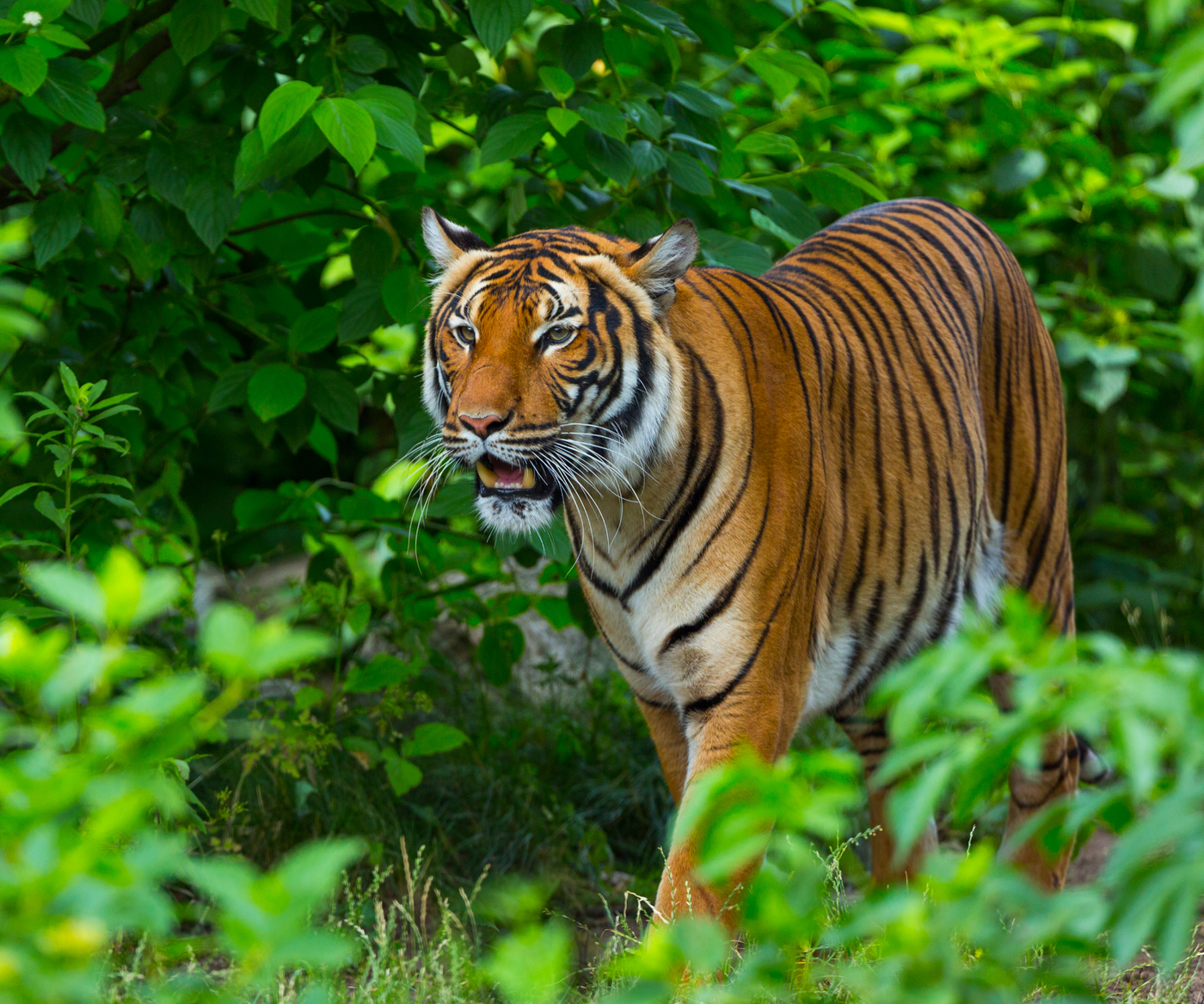
Made in partnership with Panthera, The Prowl Bracelet tracks Indochinese tigers in Thailand on an interactive map and helps Fahlo support their conservation.

  • Fahlo donates 10% of all profits to our nonprofit partnersFahlo donates 10% of all profits to our nonprofit partners
  • Sizing: Elastic, one size fits mostSizing: Elastic, one size fits most

Hand-strung and one of a kind: Because our bracelets are made from natural crushed stone or glass, slight variations in bead color and pattern make each one totally unique!

*Free shipping may not be valid with promotional discounts unless otherwise stated. For more details visit the FAQ page.

  • SSL Secure CheckoutSSL Secure Checkout
  • Worldwide ShippingWorldwide Shipping
  • Dedicated Customer ServiceDedicated Customer Service
  • 100% Happiness Guarantee100% Happiness Guarantee
Tracking Real Animals
Out In The Wild
One Small Bracelet.
One Big Mission.
Made in partnership with Panthera to create a world where wild cats thrive. Your purchase helps Fahlo further this mission alongside scientific research, species recovery, habitat restoration, and community collaboration.
Mission Map
How It Works
forest mandala pattern

Choose the animal you want to track!

forest mandala pattern 2
forest mandala pattern 1
fahlo bracelet
fahlo tracking card
fahlo bracelet

You’re now tracking

Rory

world map background tracking path on world map
map marker
tiger app about content header image tiger app about content body image
tiger app updates content header image tiger app updates content body image
forest app rewards - background image
forest app rewards - levels image
forest app rewards - header image
FREE Prowl Bracelet
How You're Helping
Tracking provided in partnership with

Panthera is a leader in wild cat conservation, devoted to creating a world where wild cats thrive in healthy, natural, and developed landscapes that sustain both people and biodiversity. Through cutting-edge scientific research, strategic species recovery, habitat restoration, and collaboration with communities and partners, they protect the world's 40 species of wild cats and help ensure a future for us all.

Conservation status

  • EX
  • EW
  • CR
  • EN
    Endangered
  • VU
  • NT
  • LC
  • DD
  • NE
Reviews

Customer Reviews

Customer photo review of The Prowl Bracelet

Love Fahlo! such a great cause & love tracking the animals and seeing their updates 🥰

The Prowl Bracelet

Customer photo review of The Prowl Bracelet

I just love this bracelet! And the color goes with everything!

The Prowl Bracelet

Customer photo review of The Prowl Bracelet

I love the pale orange color of the bracelet. It goes perfectly with the tiger's color.

The Prowl Bracelet

Customer photo review of The Prowl Bracelet

Love tigers! Glad Fahlo finally made one. Had issues receiving bracelet in the mail due to address forwarding change. Postal delivery person misplaced the package, Fahlo customer service understood my issue and sent me another one free of charge and quickly. Thank You!!

The Prowl Bracelet

Customer photo review of The Prowl Bracelet

Such a fun and unique way to follow wildlife thousands of miles away. The bracelet is fashionable , lightweight and expandable , so it fits any size wrist. I love the Tiger's eye beads as they closely represent the color of a tiger. What a great way to help protect wildlife.

The Prowl Bracelet

Customer photo review of The Prowl Bracelet

I own 3 Beautiful Bracelets and I love them. I can dress my outfits even more with these absolutely Beautiful bracelets. They are very well made!!!! The Best Part, Is your supporting WILDLIFE!!! I will be buying more 😃

The Prowl Bracelet

Customer photo review of The Prowl Bracelet

This is the first one I’ve bought though I have been gifted Fahlo products before Tigers are my comfort animal so I had to get it

The Prowl Bracelet

Customer photo review of The Prowl Bracelet

A family friend got us our first bracelets and we instantly fell in love. I absolutely love how beautiful the beads and charms are AND the representation for conservation these bracelets serve as. I have had several people ask about them and seemed excited to learn how it all works! This is such a wonderful way to support conservation and spread the word of efforts around the world!

The Prowl Bracelet

Customer photo review of The Prowl Bracelet

love the bracelet! it‘s a little too big on me but i use it as decoration.

The Prowl Bracelet

Customer photo review of The Prowl Bracelet

Really nice bracelet, I wear it often to help me build confidence and safety

The Prowl Bracelet

Customer photo review of The Prowl Bracelet

I love love love tigers and I especially love tracking my tiger with my beautiful tigers eye bracelet!! I never take it off!!

The Prowl Bracelet

Customer photo review of The Prowl Bracelet

Amazing company! So much fun to collect and track animals around the world 💕

The Prowl Bracelet

Customer photo review of The Prowl Bracelet

I wear this bracelet everyday...I love it....the only thing I wish is that the charm was a tad smaller and the Tiger Eye was a little more bright...when its actually on its hard to tell its Tigers Eye...but its a gorgeous bracelet

The Prowl Bracelet

Customer photo review of The Prowl Bracelet

I like this bracelet because its an orangesicle color...each bead is a different shade of creamy orange/peach. It's very subtle and elegant.

The Prowl Bracelet

Customer photo review of The Prowl Bracelet

The beads are almost all opaque color and very few have the green in it. Just keep that in mind...but its a beautiful bracelet.

The Prowl Bracelet

Customer photo review of The Prowl Bracelet

lo porto letteralmente tutti i giorni, tutto il giorno è il mio gioiello preferito

The Prowl Bracelet

Customer photo review of The Prowl Bracelet

Arrived quickly and in perfect condition, the colors were beautiful, as well as the charm tiger, the set up of the app and tracking are quick and easy, looking forward to buying more.

The Prowl Bracelet

Customer photo review of The Prowl Bracelet

I never thought I could actually see a picture of my tiger wish I could see more pics and pics of my other animals

The Prowl Bracelet

Customer photo review of The Prowl Bracelet

The bracelet ja very pretty, but i bought it to get the chance to track an animal, such a pretty gift ❤️

The Prowl Bracelet

Customer photo review of The Prowl Bracelet

Love how fast my bracelet came! Will definitely be buying more in the future!

The Prowl Bracelet

This product is awesome! It was a birthday gift for my partner, and he absolutely loves it. At first, he was a bit confused about what it does, but now he really enjoys tracking the animal and giving me updates. He's even interested in collecting other species, almost like Pokémon.

The Prowl Bracelet

Its perfect i love my tiger i love the stones literally i have no complaints other than i want more

The Prowl Bracelet

I have 4 of these bracelets now ,snow leopard, tiger ,sea turtle,and red wolf .it's so much fun looking on a map where they are and where they have been with the tracker ,it helps with the conservation of indanger animals so will certainly be buying more ,

The Prowl Bracelet

The color is absolutely beautiful. I got a female tiger named Bontana. I get frequent updates on where she's at.

The Prowl Bracelet

Weve been waiting for tigers to come back in stock! So happy it did. The bracelet is beautiful. Its a little big for my daughters wrist but she doesnt mind. We’re excited to watch our tiger move and that our money goes to a fund to help save them. ❤️

The Prowl Bracelet

Bracelet was broken when it got to me

The Prowl Bracelet

Im absolutely addicted to Fahlo and love all the different animals and watching where they are.

The Prowl Bracelet

Love these, but they arrived broken. I've ordered many times before, first time damaged in transit.

The Prowl Bracelet

The bracelet itself is lovely, but it would be nice to have gotten a different tiger; ive gotten the same one 3x now

The Prowl Bracelet

I love all of Fahlo bracelets!:) I love knowing I’m contributing to a great cause.

The Prowl Bracelet

Common Questions
common question image

Why are tigers tracked?

“Tigers are tracked to monitor their populations, understand their behaviors, and address key threats to their survival. Panthera’s Tigers Forever program operates at critical sites across Asia, aiming to increase tiger numbers by at least 50 percent over a 10-year period. By following tigers' movements, researchers can assess habitat use, prey availability, and interactions with human communities. This data helps bolster anti-poaching measures, secure protected areas, and connect fragmented habitats to support long-term conservation. Tracking also reveals how tigers adapt to changing environments, providing nuanced insights into their ecology that guide targeted protection strategies.”

To learn more about the work our partner is doing, visit their site directly at panthera.org

How are tigers tracked?

“Tigers are primarily tracked using an extensive network of camera traps (PantheraCams), which are motion-activated camera traps strategically placed in key habitats. These regular camera traps capture images and videos of tigers moving through the landscape, enabling researchers and conservationists to identify individuals based on unique stripe patterns, much like fingerprints. Rangers and researchers check these cameras regularly—often hiking into remote areas to retrieve data cards, replace batteries, and reposition devices for optimal coverage. This method provides ongoing, non-invasive monitoring of tiger movements, population trends, and behaviors without requiring direct contact. While some advanced systems incorporate AI for faster analysis, the core approach relies on this hands-on network to monitor tigers in real time across vast, rugged terrain.”

To learn more about the work our partner is doing, visit their site directly at panthera.org.

Does tracking harm the tigers?

“Tracking methods are designed to minimize any impact on tigers, with indirect approaches like camera traps having no direct contact and thus posing no harm. These devices simply record passing animals without interfering with their natural activities, such as hunting, mating, or raising cubs. Studies show negligible effects overall, though researchers continually refine techniques to ensure even subtle influences, like potential stress from human presence during camera maintenance, are reduced.”

To learn more about the work our partner is doing, visit their site directly at panthera.org

Are tigers endangered?

Tigers are classified as Endangered by the International Union for Conservation of Nature (IUCN), reflecting their vulnerable position due to historical declines. However, there's nuance in their status: populations are stable or even growing in countries like India, Nepal, Bhutan, Russia, and China, thanks to focused conservation efforts.

How many tigers are left in the world?

Globally, an estimated 5,574 tigers remain in the wild, but regional variations exist—some areas in Southeast Asia continue to see declines, highlighting the need for ongoing, tailored protection to prevent further fragmentation and loss.

Why are tigers endangered?

The biggest threats to tigers include poaching and illegal wildlife trade, driven by demand for their parts in traditional medicine and as luxury items, which directly reduces numbers and disrupts breeding populations. Habitat loss and fragmentation from agriculture, logging, infrastructure, and human expansion have reduced tiger ranges by more than 95%, isolating populations and increasing vulnerability to inbreeding. 

Human-wildlife conflicts arise when these predators prey on livestock in encroaching settlements, often leading to retaliatory killings. Additionally, the depletion of prey species due to overhunting exacerbates the risk of starvation. Climate change adds further nuance by altering habitats and prey availability, underscoring the interconnected challenges that require multifaceted solutions, such as community engagement and habitat corridors.

Where do tigers live?

Tigers live in a variety of habitats, including dense rainforests, jungles, and open grasslands. The largest population of tigers exists in India (Bengal tigers), followed by Siberian and Amur tigers in Russia, Sumatran tigers in Indonesia, Bengals in Nepal, and increasingly smaller populations of Indochinese tigers in Thailand. The remaining Asian countries with tigers are limited to fewer than 100–200 individuals.

How long do tigers live?

On average, tigers live for 10–15 years in the wild.

What does a tiger symbolize?

The largest of the big cats, the tiger represents courage, strength, independence, and power, with significance as a protective guardian in many cultures.

    • “Tigers are tracked to monitor their populations, understand their behaviors, and address key threats to their survival. Panthera’s Tigers Forever program operates at critical sites across Asia, aiming to increase tiger numbers by at least 50 percent over a 10-year period. By following tigers' movements, researchers can assess habitat use, prey availability, and interactions with human communities. This data helps bolster anti-poaching measures, secure protected areas, and connect fragmented habitats to support long-term conservation. Tracking also reveals how tigers adapt to changing environments, providing nuanced insights into their ecology that guide targeted protection strategies.”

      To learn more about the work our partner is doing, visit their site directly at panthera.org

    • “Tigers are primarily tracked using an extensive network of camera traps (PantheraCams), which are motion-activated camera traps strategically placed in key habitats. These regular camera traps capture images and videos of tigers moving through the landscape, enabling researchers and conservationists to identify individuals based on unique stripe patterns, much like fingerprints. Rangers and researchers check these cameras regularly—often hiking into remote areas to retrieve data cards, replace batteries, and reposition devices for optimal coverage. This method provides ongoing, non-invasive monitoring of tiger movements, population trends, and behaviors without requiring direct contact. While some advanced systems incorporate AI for faster analysis, the core approach relies on this hands-on network to monitor tigers in real time across vast, rugged terrain.”

      To learn more about the work our partner is doing, visit their site directly at panthera.org.

    • “Tracking methods are designed to minimize any impact on tigers, with indirect approaches like camera traps having no direct contact and thus posing no harm. These devices simply record passing animals without interfering with their natural activities, such as hunting, mating, or raising cubs. Studies show negligible effects overall, though researchers continually refine techniques to ensure even subtle influences, like potential stress from human presence during camera maintenance, are reduced.”

      To learn more about the work our partner is doing, visit their site directly at panthera.org

    • Tigers are classified as Endangered by the International Union for Conservation of Nature (IUCN), reflecting their vulnerable position due to historical declines. However, there's nuance in their status: populations are stable or even growing in countries like India, Nepal, Bhutan, Russia, and China, thanks to focused conservation efforts.

    • Globally, an estimated 5,574 tigers remain in the wild, but regional variations exist—some areas in Southeast Asia continue to see declines, highlighting the need for ongoing, tailored protection to prevent further fragmentation and loss.

    • The biggest threats to tigers include poaching and illegal wildlife trade, driven by demand for their parts in traditional medicine and as luxury items, which directly reduces numbers and disrupts breeding populations. Habitat loss and fragmentation from agriculture, logging, infrastructure, and human expansion have reduced tiger ranges by more than 95%, isolating populations and increasing vulnerability to inbreeding. 

      Human-wildlife conflicts arise when these predators prey on livestock in encroaching settlements, often leading to retaliatory killings. Additionally, the depletion of prey species due to overhunting exacerbates the risk of starvation. Climate change adds further nuance by altering habitats and prey availability, underscoring the interconnected challenges that require multifaceted solutions, such as community engagement and habitat corridors.

    • Tigers live in a variety of habitats, including dense rainforests, jungles, and open grasslands. The largest population of tigers exists in India (Bengal tigers), followed by Siberian and Amur tigers in Russia, Sumatran tigers in Indonesia, Bengals in Nepal, and increasingly smaller populations of Indochinese tigers in Thailand. The remaining Asian countries with tigers are limited to fewer than 100–200 individuals.

    • On average, tigers live for 10–15 years in the wild.

    • The largest of the big cats, the tiger represents courage, strength, independence, and power, with significance as a protective guardian in many cultures.

6,000,000+

Users worldwide

Track real wildlife with the Fahlo app

When you track, we give back. Each purchase unlocks a real animal’s path on an interactive 3D map, with exciting reveals, epic journeys, and a global impact on vital conservation efforts. Download the Fahlo app and collect them all!

App download devices image App download devices image