
I love my red panda.


 Tracked via GPS collar
 This animal’s safety guarded with the Fahlo Protection Ping™
Get your mountain gear ready, we’re heading to the Himalayas! Created in partnership with AZA’s SAFE Saving Animals From Extinction Red Panda and Red Panda Network, each tracking bracelet unlocks an interactive map and helps Fahlo support red panda conservation in Nepal.
 Add 3 or more and get free shipping!
 Fahlo donates 10% of all profits to our nonprofit partners
 Sizing: Elastic, one size fits most
 SSL Secure Checkout
 Worldwide Shipping
 Dedicated Customer Service
 100% Happiness Guarantee


Choose the animal you want to track!
Scan the QR code on the tracking card included with your order.
Meet your animal and let the adventure begin.
Receive photos, videos, and updates along the way.
Track species from all over the world, and level up to earn exclusive rewards.


You’re now tracking
Pepper


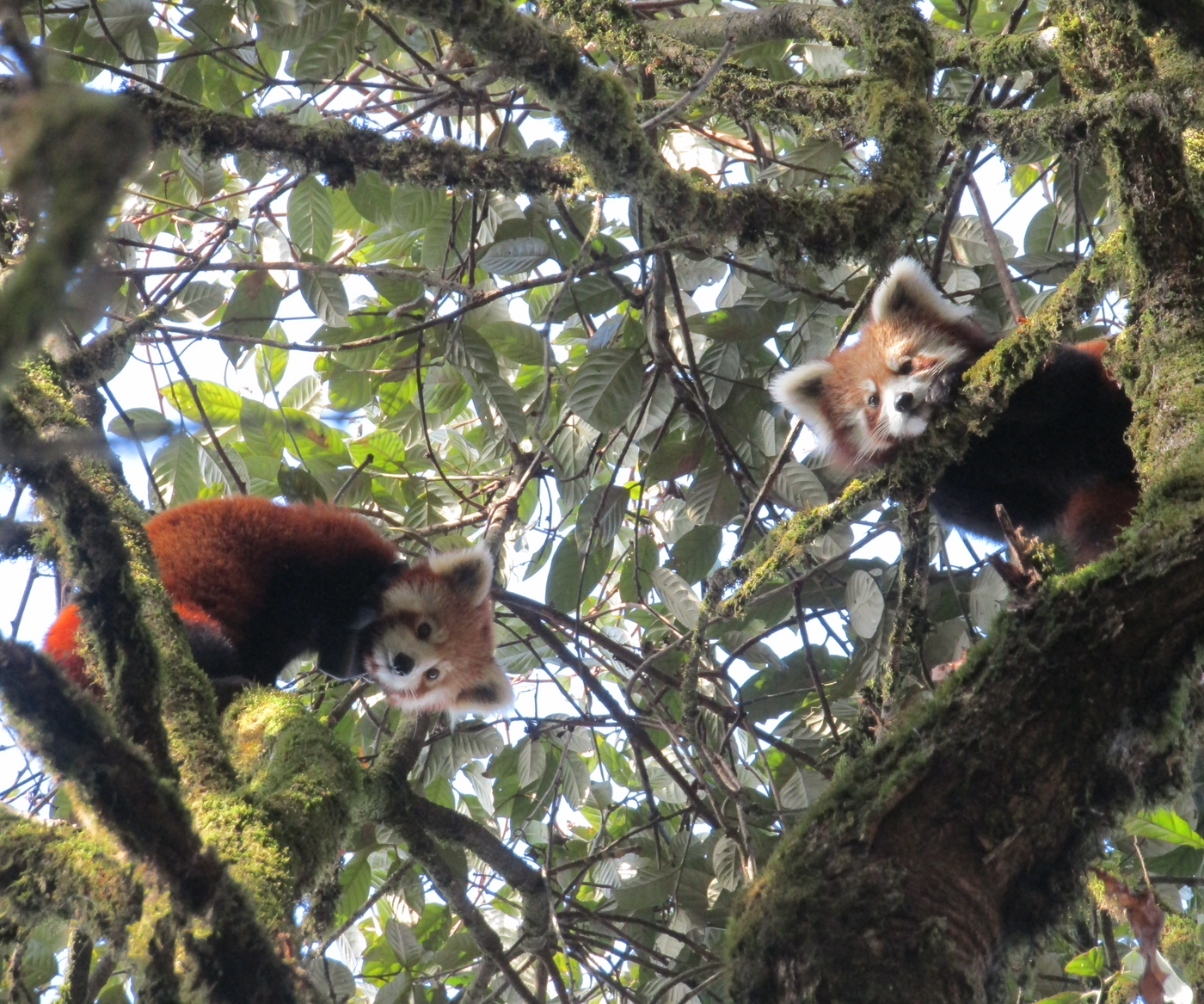

The AZA’s SAFE (Saving Animals From Extinction) Red Panda program focuses on protecting red pandas in their natural habitats and in zoos. It aims to increase awareness of conservation work, promote research studying behavior, genetics, and breeding, and support fieldwork efforts to help red pandas thrive in the wild.
Conservation status
Overall rating: 4.8 / 5 from 333 reviews.
I love my red panda.

I adore all my bracelets!!! And this was the first one. I wear it to work most days, I just love it so much and am so happy to see all the work Fahlo does!!

I originally bought one for a friend but I liked it so much I had to buy one for myself. It's still small, but at least it stretches enough to sit comfortably on my wrist.

Customer service was super helpful and fast with my order change regarding swapping colours. While the bracelet runs a bit small, I'm absolutely in love with it! Will be buying again :)

I absolutely love this bracelet and my red panda Nagima! He is such an incredible little guy, travels miles every day, and its amazing to think that this mission isn't just saving him, its saving lives everywhere around the world ..because if we don't help them now, everything will be out of balance. Humans will feel that pressure too, once everything is out of balance, it's very hard to get it right again. Thank you Fahlo for everything you do to help preserve wildlife, making a more beautiful world, hopefully for generations to come.

The Dash bracelet fits perfectly on my wrist, and it feels very comfortable! Another plus is that I got the same red panda as my friend

Fast delivery, and a beautiful bracelet, thank you

I love Fahlo I have multiple pets from there and I love the tracking experience

My daughter is absolutely obsessed with these bracelets! She started her collection in 2024 and with her love for animals and dreams of becoming a marine biologist and zookeeper, these are just perfect for her. She's already completed her water animal collection and is now moving on to land animals. It's so much fun and always exciting to see which animal she'll get next! 🤩 #Daughter #Bracelets #Animals #MarineBiologist #Zookeeper #Collection

I just love it so much

It's so cute and I love to track my red panda! I love it

It's so cute and I cannot believe we can track a real animal! I love it so much

I love those bracelets so much and knowing that some profit off my order goes to conservations and saving animals just makes my teenage self so happy!!!

I love them all. Can’t wait for more!

I wear this one everyday...taking it off to take pictures feels funny...I love this bracelet...the colors the beautiful and the animal is adorable.

It's very pretty! Shipped quickly, arrived just as expected!
I have 15+ bracelets from them now and every single one is so nice and quality beads with such cute animal beads that have such simple but amazing details for each animal. Can’t wait to get more!!
This is a beautiful bracelet...love it!
Like
Got Ngima- he's very cute also have been wearing it since it arrived
My son loves getting these and tracking all his animals on the app. Cant wait for some new ones to be added.
Love it!
So cute!! The red panda is adorable!!!! The pictures of my red panda are spectacular, I had no idea they were so sticking cute and full of such character. Go get one before the run out!! The bracelet or pushing will do.
Love the colors, how they blend together with my others. Great fit.
The stones are a beautiful pink
like it
I love tracking my red panda. It so much fun, that I now track 3 red pandas!!!
Love the color and my red panda
Love the marble pink in this bracelet
The color pink in this bracelet is beautiful.
I want every animal!
Love getting to know my red panda.
super cute and light!
I love the bead colors and it’s great fit!
Never received it. It was sent through a company that doesn't deliver to p.o. boxes. I would appreciate it if it was reshipped out using usps or a refund.
Gave as a gift and she loved it
This was one of my first fahlo bracelets, and being able to track a red panda is incredible! I absolutely love the rosewood beads! I also ended up getting one for my friend in Himalayan stone, and she loves it just as much as I do! I absolutely love fahlo! Tracking an animal with a bracelet is an incredible experience, and I'm glad I get to do so with a friend too!!
I love the dash bracelet
Very cute!
Way too big even for an adult wrist and you can’t even track the animal. Wish that was advertised when we bought it

6,000,000+
Users worldwide


When you track, we give back. Each purchase unlocks a real animal’s path on an interactive 3D map, with exciting reveals, epic journeys, and a global impact on vital conservation efforts. Download the Fahlo app and collect them all!

