

I love getting to see where they travel to and getting facts about my animals while I’m tracking them


 Tracked via motion sensor trail cameras
 This animal’s safety guarded with the Fahlo Protection Ping™
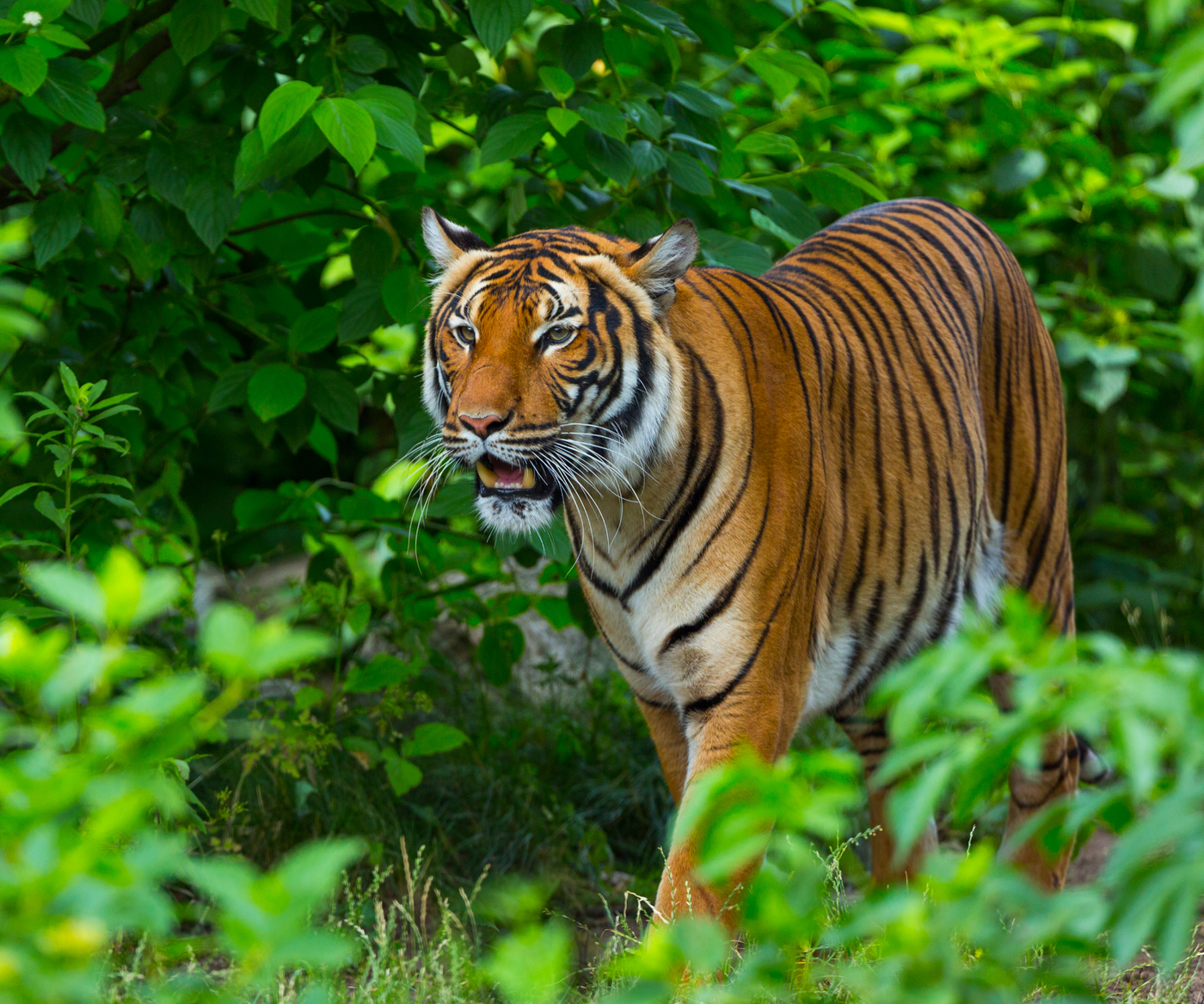
Venture into Thailand’s dense tropical jungles with tigers! Made in partnership with Panthera, The Prowl Bracelet tracks Indochinese tigers on an interactive map and helps Fahlo support their conservation.
 Add 3 or more and get free shipping!
 Fahlo donates 10% of all profits to our nonprofit partners
 Sizing: Elastic, one size fits most
 SSL Secure Checkout
 Worldwide Shipping
 Dedicated Customer Service
 100% Happiness Guarantee


Choose the animal you want to track!
Scan the QR code on the tracking card included with your order.
Meet your animal and let the adventure begin.
Receive photos, videos, and updates along the way.
Track species from all over the world, and level up to earn exclusive rewards.


You’re now tracking
Rory



Panthera is a leader in wild cat conservation, devoted to creating a world where wild cats thrive in healthy, natural, and developed landscapes that sustain both people and biodiversity. Through cutting-edge scientific research, strategic species recovery, habitat restoration, and collaboration with communities and partners, they protect the world's 40 species of wild cats and help ensure a future for us all.
Conservation status
Overall rating: 4.9 / 5 from 421 reviews.
I love getting to see where they travel to and getting facts about my animals while I’m tracking them

The colours are more washed out than I'd have wanted, but it's still nice. Def recommend seeking this one out in a physical store to get the colours as vibrant as you want.

Love my tiger tracking bracelet! It was the 4th bracelet I’ve gotten, I have about 7 or 8 now including sharks, a polar bear, a sloth and a lion :)

My newest addiction

Very pretty

Im honored to be part of this community and supporting these beautiful endangered animals!

I got this bracelet for a friend, because he loves tigers, and all things rocks and crystals. He absolutely loved it!

I have the hammerhead shark bracelet. I tried to put the app on my new phone, but it does not work, so I can no longer track my shark that is not fair. But I am still wearing the hammerhead shark 🦈 bracelet. If possible could you fix this problem

I love it! It's so cute.

Luv it

Absolutely love these bracelets. Got a few for my birthday and anniversary and we got each of our kids one. It’s so much fun keeping track of the different animals with our kids. Just wish there were more updates or little videos.

Me gusta y es muy linda pero comparada a las otras es grande pero no tanto

I’m addicted!

Love it

I wear it all the time all of them

Love that I can both collect the bracelets and track real animals.

Love it!

I love all of my bracelets

Love Fahlo! such a great cause & love tracking the animals and seeing their updates 🥰

Love it!

I just love this bracelet! And the color goes with everything!

I love the pale orange color of the bracelet. It goes perfectly with the tiger's color.

Love tigers! Glad Fahlo finally made one. Had issues receiving bracelet in the mail due to address forwarding change. Postal delivery person misplaced the package, Fahlo customer service understood my issue and sent me another one free of charge and quickly. Thank You!!

Such a fun and unique way to follow wildlife thousands of miles away. The bracelet is fashionable , lightweight and expandable , so it fits any size wrist. I love the Tiger's eye beads as they closely represent the color of a tiger. What a great way to help protect wildlife.

I own 3 Beautiful Bracelets and I love them. I can dress my outfits even more with these absolutely Beautiful bracelets. They are very well made!!!! The Best Part, Is your supporting WILDLIFE!!! I will be buying more 😃

This is the first one I’ve bought though I have been gifted Fahlo products before Tigers are my comfort animal so I had to get it

A family friend got us our first bracelets and we instantly fell in love. I absolutely love how beautiful the beads and charms are AND the representation for conservation these bracelets serve as. I have had several people ask about them and seemed excited to learn how it all works! This is such a wonderful way to support conservation and spread the word of efforts around the world!

love the bracelet! it‘s a little too big on me but i use it as decoration.

Really nice bracelet, I wear it often to help me build confidence and safety

I love love love tigers and I especially love tracking my tiger with my beautiful tigers eye bracelet!! I never take it off!!

Amazing company! So much fun to collect and track animals around the world 💕

I wear this bracelet everyday...I love it....the only thing I wish is that the charm was a tad smaller and the Tiger Eye was a little more bright...when its actually on its hard to tell its Tigers Eye...but its a gorgeous bracelet

I like this bracelet because its an orangesicle color...each bead is a different shade of creamy orange/peach. It's very subtle and elegant.

The beads are almost all opaque color and very few have the green in it. Just keep that in mind...but its a beautiful bracelet.

lo porto letteralmente tutti i giorni, tutto il giorno è il mio gioiello preferito

Arrived quickly and in perfect condition, the colors were beautiful, as well as the charm tiger, the set up of the app and tracking are quick and easy, looking forward to buying more.

I don’t see yet a tiger :(

I never thought I could actually see a picture of my tiger wish I could see more pics and pics of my other animals

The bracelet ja very pretty, but i bought it to get the chance to track an animal, such a pretty gift ❤️

Love how fast my bracelet came! Will definitely be buying more in the future!

6,000,000+
Users worldwide


When you track, we give back. Each purchase unlocks a real animal’s path on an interactive 3D map, with exciting reveals, epic journeys, and a global impact on vital conservation efforts. Download the Fahlo app and collect them all!

