

The details of snow leopard are on spots!


 Tracked via multiple methods: GPS collar and motion sensor trail cameras.
 This animal’s safety guarded with the Fahlo Protection Ping™
Created in partnership with Snow Leopard Conservancy, each snow leopard plush unlocks an interactive tracking map and helps Fahlo support conservation efforts for these mountain-dwelling cats.
 Add 2 or more plush for free shipping
 Fahlo donates 10% of all profits to our nonprofit partners
 100% eco-friendly: made from recycled water bottles
 Huggable for all ages
 Size: 10.75"
 SSL Secure Checkout
 Dedicated Customer Service
 100% Happiness Guarantee

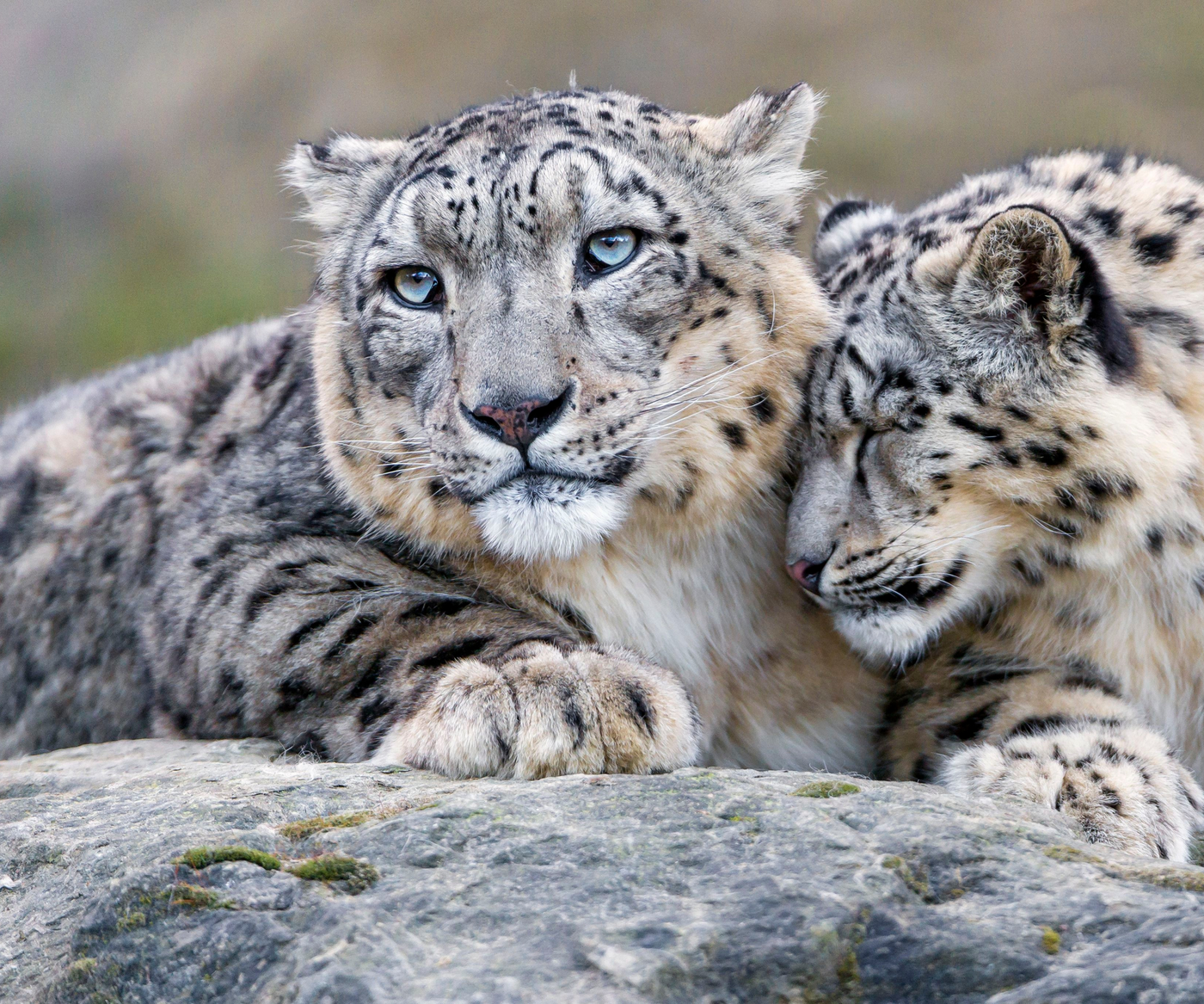

The Snow Leopard Conservancy is dedicated to the survival of snow leopards and conservation of their mountain habitats. By growing environmental awareness and sharing innovative practices with local communities, they envision a future in which people and wildlife exist in harmony with their environment.
Conservation status
Overall rating: 5.0 / 5 from 66 reviews.
The details of snow leopard are on spots!

All the plushies are so adorable. Soft, and well made. My granddaughters love to play and sleep with them when they’re over,
I love tracking my snow leopard, and the plush is so soft and cute!
A gift for my daughter that she absolutely loves
My grandchildren love the snow leopard!! It’s adorable!
I love the Snow Leopard plushie because it's soft and cuddly. I have it on my bed along with the giraffe; hammerhead shark ; elephant and my personal favorite the koala plushies.
Ordered a red panda for my adult son, but when he saw my snow leopard, he wanted it instead. Not because he didn't want a panda, but because the snow leopard is just so darned cute!
My granddaughter wanted this plush toy animal so badly for her 7th birthday. It came in plenty of time for me to get it wrapped, so it came rather quickly. On her birthday, she opened her present from me and was tickled pink, needless to say! There was her fluffy and soft (plush), snow leopard. She now tracks a real one, as does her 8 year old brother, also. He follows a different animal and this is something they can enjoy doing together. I highly recommend you all, love what you do! Thank you so much!
The cutest snow leopard ever!
I bought the snow leopard plushie for my grandson Logan for his birthday. He was so excited and loves Rosie.
I have bought so many things from Fahlo it is not even funny. But the items are so good and every item has a cause it supports.
I love the long tail on my snow leopard plush. It looks beautiful in my bedroom. Ordering was a pleasant experience, and the plush arrived early, ahead of its delivery date!
Shipping was very quick and the plush itself is awesome! A little bigger than I initially thought (not a bad thing) and very very soft and lovely
I waited a long, long time for this item to finally come back in stock. It was well worth the wait! The Snow Leopards are fabulous to track sice they often "trip" cameras and you get to see pictures and videos of "your" animals! I have been following my original "bracelet" Snow Leopard since January of 2025!
Soft and so wonderful!
He is just gorgeous and soft. All you want to do is cuddle with him all day. 😍
Love the quality, fabric, and design of this plushie. Love supporting the snow leopards ♡ I'm very happy.
So soft. My daughter loves it
Qualität is super
My favorite Christmas present for the little ones, and the money is going to a great cause too.
Beautiful, soft and extremely good quality this is the second one I’ve bought as the first one was a gift, but I wanted to keep it 🤣
I really love how fast shipping is and every plush is genuinely so cute. I want a bison one so bad. This is my second one. My son loves the cheetah so o had to get me this one.
Great quality plush!
Great plushie, soft and well made
They arrived and they are soooo soft! And it is so much to track such cute animals!!
Super soft. grandson loved it.
High quality Plush. Fun to track and see where they travel. 😺❤️
I love Snow Leopards and this one looks pretty similar to one of my cats:)
Love the design. Very great material and such a great service. Great colors. Love the design of the app, all the information and such available for these beautiful animals.
absolutely adorable
My child will love this product when he gets it for his birthday! Very high quality plush! Love it!!!!!
Love it.
Cute, will use to research snow leopards!
Brilliant plush, soft with very nice details, looks even better in person! The accurate tail to body ratio is nice to see as this is the only plush I've seen include it. They bring me a lot of comfort and I really hope a plush is released for the Tigers that were added!
The beauty in knowing you are helping our worlds wild life. You get the joy of tracking an animal in it’s natural environment. Than you get a plushie or bracelet for your purchase. The quality of the item is apparent with the first touch you have after receiving them. I highly recommend becoming an adopting parent of a beautiful animal. You will feel good about what you are doing to continue to help our natural wildlife. Please make a difference and join the Fahlo family
Love the long tail!!
Great product and cause
Love love love—I order three of the plush animals foe the kids and this ine is my favorite.
Came intact and it is cute
Loved them!!
6,000,000+
Users worldwide


When you track, we give back. Each purchase unlocks a real animal’s path on an interactive 3D map, with exciting reveals, epic journeys, and a global impact on vital conservation efforts. Download the Fahlo app and collect them all!

