
I love my bracelets and to know I'm helping even makes purchasing them better. I watch where and how far they travel every day.

Off Season

Off Season

Off Season

Off Season

Off Season
 Tracked via VHF (Very High Frequency) collar
 This animal’s safety guarded with the Fahlo Protection Ping™
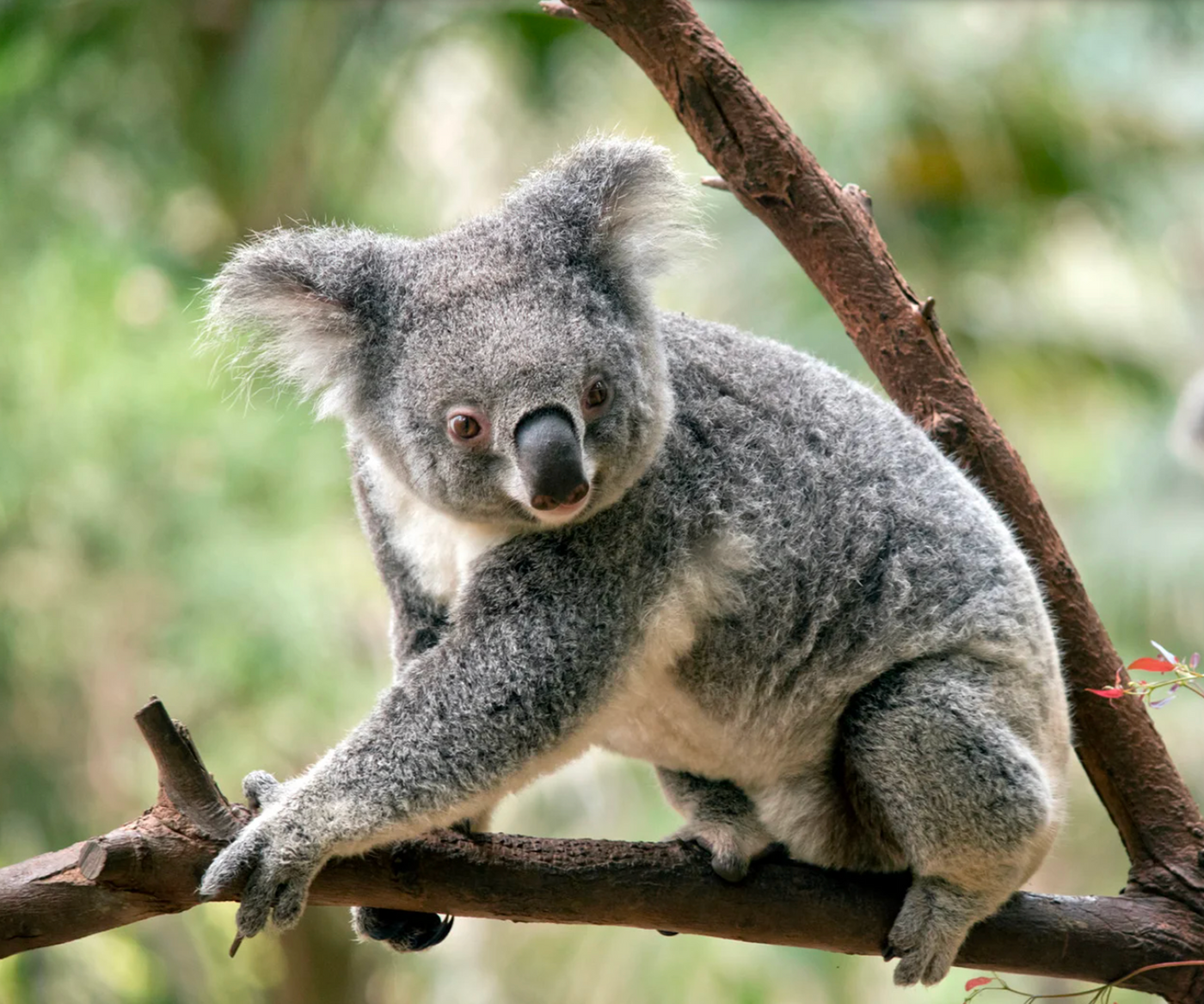
G’day from the St. Bees Island koalas! Created in partnership with San Diego Zoo Wildlife Alliance through their Australian Forest Conservation Hub, each bracelet unlocks an interactive tracking map and helps Fahlo support koala conservation in Eastern Australia.
 Add 3 or more and get free shipping!
 Fahlo donates 10% of all profits to our nonprofit partners
 Sizing: Elastic, one size fits most
 SSL Secure Checkout
 Worldwide Shipping
 Dedicated Customer Service
 100% Happiness Guarantee


Choose the animal you want to track!
Scan the QR code on the tracking card included with your order.
Meet your animal and let the adventure begin.
Receive photos, videos, and updates along the way.
Track species from all over the world, and level up to earn exclusive rewards.


You’re now tracking
Matilda



An international, nonprofit conservation organization, San Diego Zoo Wildlife Alliance is committed to inspiring passion for nature and creating a world where all life thrives. By integrating wildlife health, science, and education to develop sustainable conservation solutions, they help protect and restore wildlife populations around the world—including koalas.
Conservation status
Overall rating: 4.8 / 5 from 388 reviews.
I love my bracelets and to know I'm helping even makes purchasing them better. I watch where and how far they travel every day.

This is the third Koala bracelet I've bought. They're so beautiful!

I have 23 animals that I’m tracking. I love the color of the beads and the little details on each animal. But what I especially love is that my grandchildren and I enjoy tracking the animals every day. We love exploring the world on the 3-D map and the environment in which the animals live. A great activity for my grandchildren and I to enjoy.

It is beautiful and the material is great too. I have 8 pieces of them.

I love these bracelets so much!!! They are so cool and go to a lot of different organizations that help the animals. 10/10 recommend!!!

These bracelets are the cutest things ever!!! It also warms my heart to know the proceeds are going to a good cause love these can’t stop buying!!

I really love the bracelets. They come in all kinds of colors and animals. It’s so fun to track and get to know the animals. I also love the cause they support!

Super dat je je dier kan volgen. En een mooie armband

They are so cute and come with a card to tell you all about the animal

The bracelets are nice and I love following the animals daily!

Love it he is so cute

Been a permanent addition to my daily fits.

Easy purchase, love the tracking, website is easy to navigate. Updates and ongoing info very informative. All in all great fun to track!!!!

I like it it doesn't break like my old one did but that is ok because it is still in great nick today

I love my koala Sky Stone bracelet. I have over 180 bracelets. They are all great

I'm always excited when I order a bracelet. They come looking exactly like they are shown when you order one. I've been very happy with every one I have ordered and I have ordered several. It makes me feel good to know that I am, in some small way, helping to support the scientific study that is being done to protect these animals.

My 4th fahlo bracelet and this may be my fav so far… 🤫I’m in love with this kolala bracelet the quality is AMAZING, the colour is too die for and I love how each bracelet has the animal on it. The koala looks so cute! I’m tracking miss x and my gosh is she active! My most active animal! I have finnick the hammerhead,plover the whale shark,lumi the polar bear and ofc miss x the koala bear, I love tracking her and her little baby!

Obsesssssssssed

This one is cute...it's grey like their fur, but also has white and black patches that make it look more real...it's adorable.

It's amazing I love koala bears beautiful bracelet 😍 ❤️ 💕
The Koala charm looks so cute, I love it! And the stone beads look so fascinating, sometimes I can't get my eyes off of them. Every look I see different patterns. It's great!
Amazing bracelet to add to my current collection!
The bracelet is pretty
I love this bracelet!
The bracelet is absolutely amazing and beautiful I LOVE koala he is so cute (I'm not a 100% sure that fahlo is real but if its not I'm going to be very do disappointed because I love animals) and this is a SUPER high quality bracelet a tiny bit bigger than my wrist size other than that I love fahlo and I love my shark chum and my koala Vinnie :3 (have a great day and I recommend this bracelet)
What's to say? Koala with green eucalyptus leaf colors set against a white sky! I like trying to match animals to their environment. The teeny koala animal is so cute, it's practically smiing. The bracelet is super strong and stretchy. Plus I love contributing to the animal conservation through Fahlo. Love love love!
Very beautiful my mother loves it wears it all the time
Fahlo #1 ❤️ never disappoints
Love it!!
cool
Every bracelet is beautiful. I have purchased this for a Christmas present for my granddaughter. She loves mine.
Bought this for a gift for Christmas and I cannot wait to gift it. I KNOW they will love it. I will be getting more too. They are the best gifts.
Amazing
Very nicely made bracelet that benefits Animals
It is so much fun to follow the animal.
I have 15+ bracelets from them now and every single one is so nice and quality beads with such cute animal beads that have such simple but amazing details for each animal. Can’t wait to get more!!
Love it
Love the tracking and my new friend
Love it
I love my koala

6,000,000+
Users worldwide


When you track, we give back. Each purchase unlocks a real animal’s path on an interactive 3D map, with exciting reveals, epic journeys, and a global impact on vital conservation efforts. Download the Fahlo app and collect them all!

