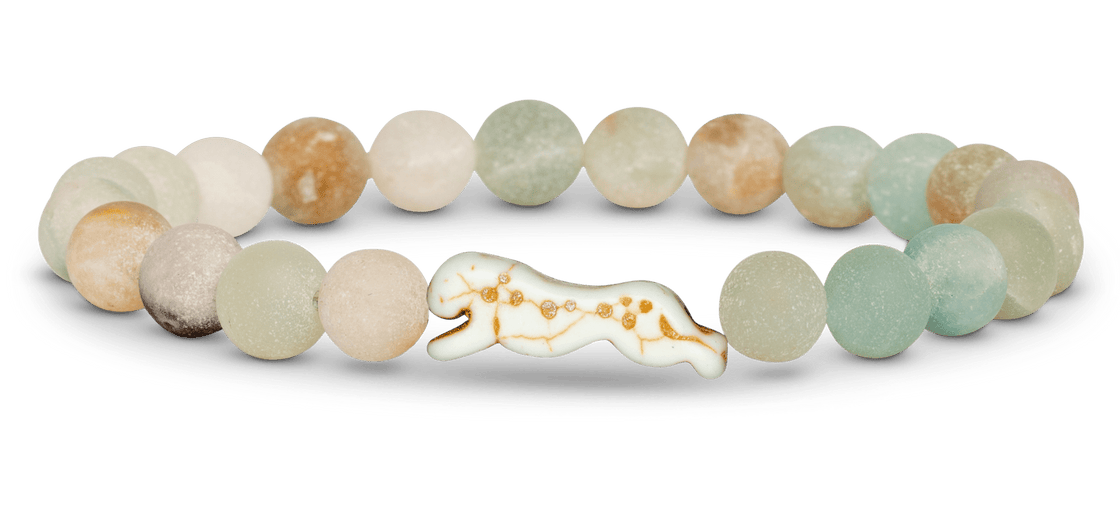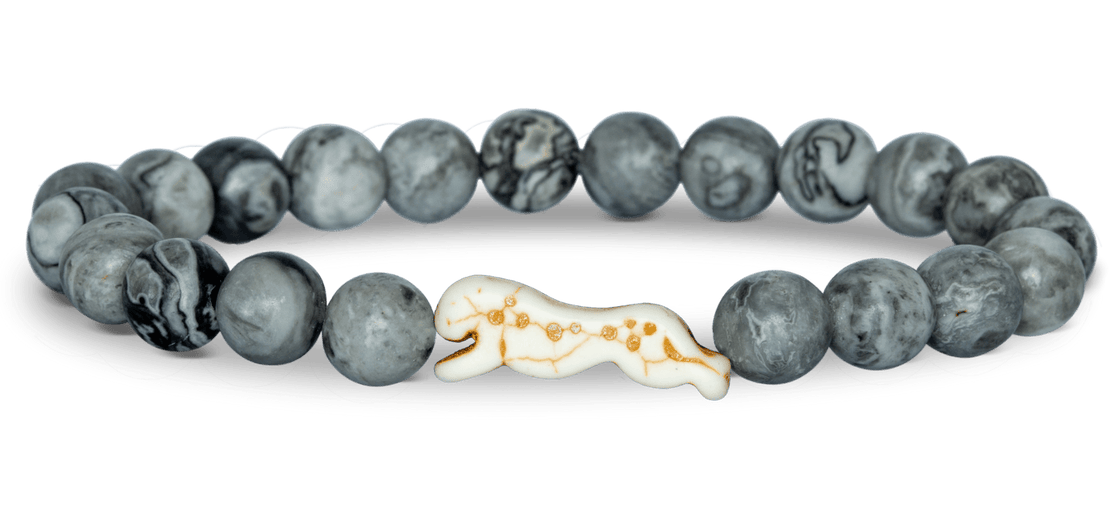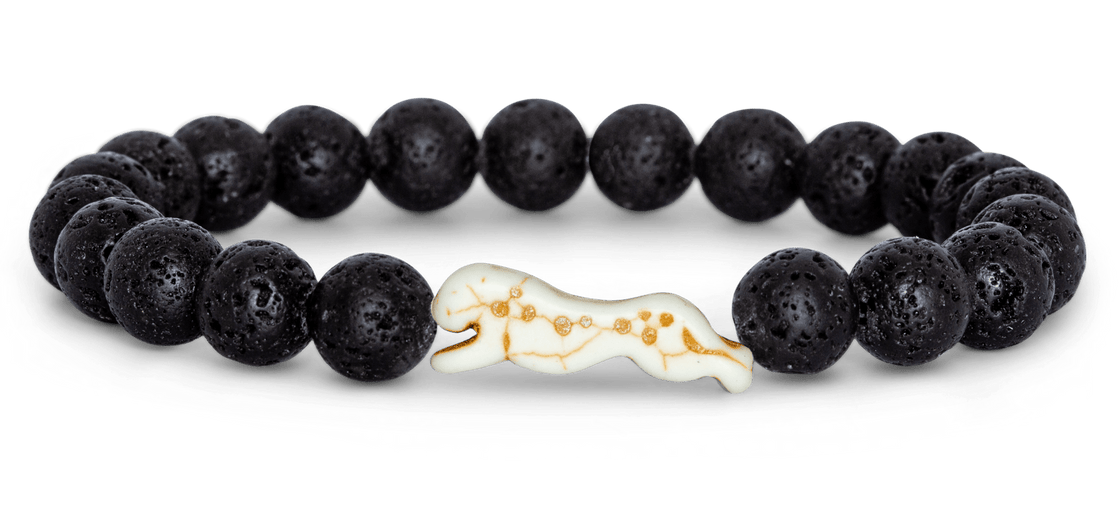
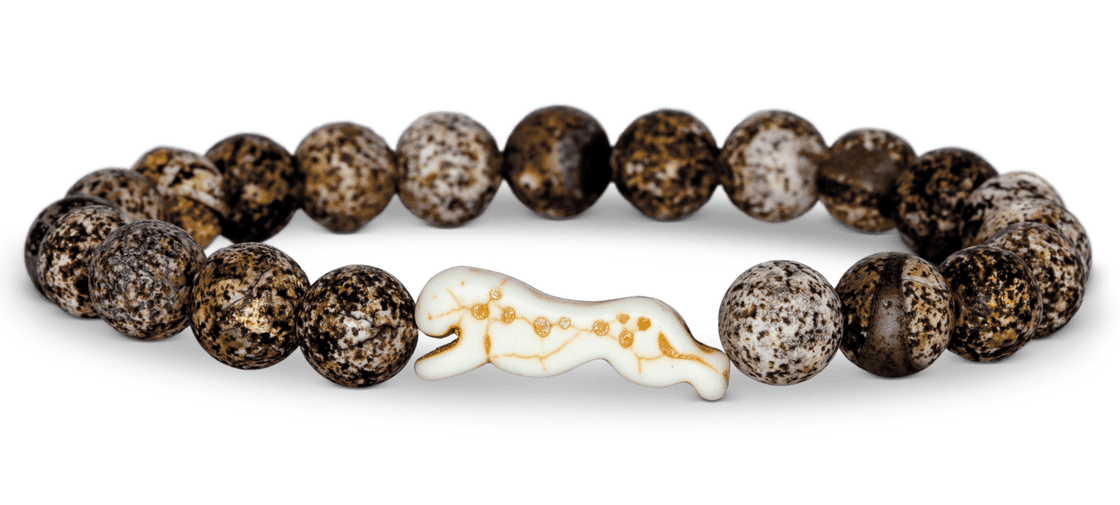
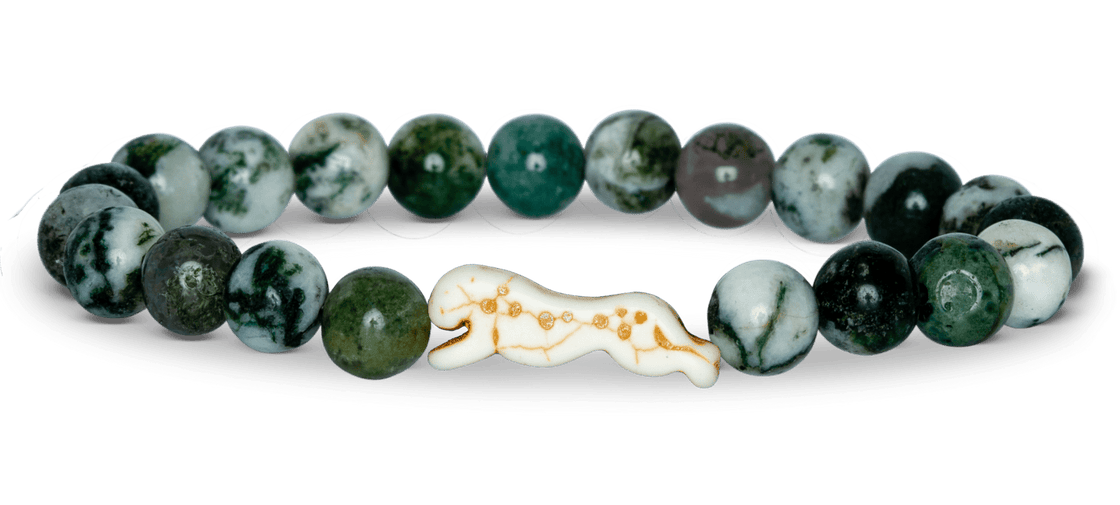
The Sprint Bracelet

Regular price CA$24.95
Sale price CA$24.95 Regular price CA
Lava Stone
  • Tracked via GPS collarTracked via GPS collar
  • This animal’s safety guarded with the Fahlo Protection Ping™This animal’s safety guarded with the Fahlo Protection Ping™

​Every Fahlo tracking experience includes the Fahlo Protection Ping™. This indicates each animal’s unique path may be live, delayed, or historical based on required safety protocol in accordance with our nonprofit partners.

While the experience of following an animal’s journey remains the same for you, we work behind the scenes with our partners to ensure this experience is presented in a way that keeps the animals safe, one step or splash at a time.

SPOTTED: the fastest mammal on Earth! Created in partnership with Cheetah Conservation Fund, each cheetah tracking bracelet unlocks an interactive map and helps Fahlo support their conservation in Namibia.

  • Add 3 or more and get free shipping!Add 3 or more and get free shipping!
  • Fahlo donates 10% of all profits to our nonprofit partnersFahlo donates 10% of all profits to our nonprofit partners
  • Sizing: Elastic, one size fits mostSizing: Elastic, one size fits most

Hand-strung and one of a kind: Because our bracelets are made from natural crushed stone or glass, slight variations in bead color and pattern make each one totally unique!

*Free shipping may not be valid with promotional discounts unless otherwise stated. For more details visit the FAQ page.

  • SSL Secure CheckoutSSL Secure Checkout
  • Worldwide ShippingWorldwide Shipping
  • Dedicated Customer ServiceDedicated Customer Service
  • 100% Happiness Guarantee100% Happiness Guarantee
Tracking Real Animals
Out In The Wild
One Small Bracelet.
One Big Mission.
Made in partnership with Cheetah Conservation Fund to protect vulnerable cheetahs and the savannas they call home. Your purchase helps Fahlo further their mission alongside scientific research, environmental education, and community outreach.
Mission Map
How It Works
savannah mandala pattern

Buy a bracelet or plush of your favorite animal species.

savannah mandala pattern 2
savannah mandala pattern 1
fahlo bracelet
fahlo tracking card
fahlo bracelet

You’re now tracking

Zora

world map background tracking path on world map
map marker
cheetah app about content header image cheetah app about content body image
cheetah app updates content header image cheetah app updates content body image
savannah app rewards - background image
savannah app rewards - levels image
savannah app rewards - header image
The Sprint Bracelet
How You're Helping
Tracking provided in partnership with

Cheetah Conservation Fund uses a holistic approach to wildlife conservation and communities sharing the landscape, working to save the cheetah and its habitat. Scientific research informs their environmental education and conservation strategies, focusing on cheetah ecology, human-wildlife conflict, predator-friendly livestock farming, and renewable energy.

Conservation status

  • EX
  • EW
  • CR
  • EN
  • VU
    Vulnerable
  • NT
  • LC
  • DD
  • NE
Reviews
Common Questions
common question image

Why are cheetahs tracked?

“The cheetahs are tracked to get a sense of their home ranges and behaviors, whether or not they have cubs, to see what challenges they face in the wild, and to know the cause of their eventual death. It is also to track them for the Early Warning System that some farmers choose to participate in (where a signal is set off if the cat goes into a farm and Cheetah Conservation Fund staff can let the farmer know that the animal is on his property and take the necessary precautions like lock up his livestock, release his dog, etc.)”


To learn more about the work our partner is doing, visit their site directly at cheetah.org. 

How are cheetahs tracked?

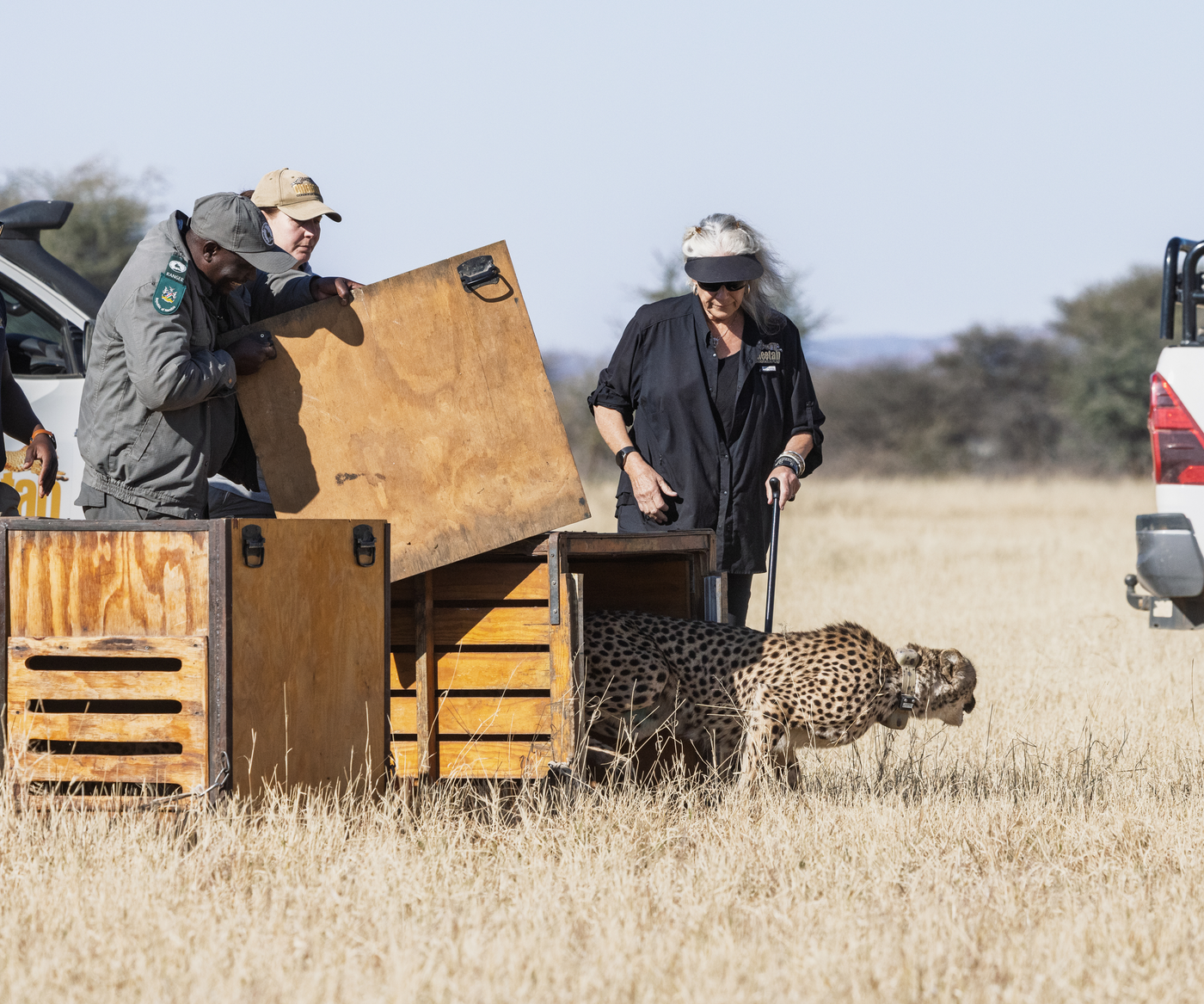
“The cheetahs are tracked using 1 of 2 kinds of radio collars—all are spotted and camouflaged as though they are part of the cheetah. One kind needs to be changed every 14–18 months or the battery dies, and the other one falls off after that same time period. Whether or not a cheetah is collared with one or the other depends on the cat's true wild nature (a.k.a. can we get close enough to safely dart it and change the collar, or is it incredibly elusive?) and on its release place. Cats in Erindi Private Game Reserve don't have the risk of running into farms, whereas cats released elsewhere have the potential to cross paths with farmers and livestock.”


To learn more about the work our partner is doing, visit their site directly at cheetah.org.

Does tracking harm the cheetahs?

“Not in the slightest. The animals are humanely sedated and the collar is placed so that it cannot come off but fits comfortably. They are not placed on cats younger than 2 years of age so that full growth has been reached. The collar is golden with spots that blend right into the cheetah's fur and does not impair their ability to run, hunt, mate, or raise cubs.”

To learn more about the work our partner is doing, visit their site directly at cheetah.org. 

Are cheetahs endangered?

Cheetahs are listed as Vulnerable according to the International Union for the Conservation of Nature (IUCN), and they face a number of challenges in the wild, including habitat loss and loss of prey as a result, human-animal conflict with nearby farmers, and illegal trade for their body parts and of cubs as pets.

Where do cheetahs live?

Cheetahs live mainly in sub-Saharan Africa, including Namibia, Kenya, and Botswana. There is also one critically endangered population of Asiatic cheetahs located in Iran.

What does a cheetah symbolize?

Cheetahs are popular symbols of speed, agility, and focus! In some cultures, they may symbolize a warrior spirit, trust in one’s instincts, and embracing independence and change.

How long does a cheetah live?

In the wild, these big cats typically live around 8–10 years, whereas in captivity cheetahs can survive as long as 17–20 years.

    • “The cheetahs are tracked to get a sense of their home ranges and behaviors, whether or not they have cubs, to see what challenges they face in the wild, and to know the cause of their eventual death. It is also to track them for the Early Warning System that some farmers choose to participate in (where a signal is set off if the cat goes into a farm and Cheetah Conservation Fund staff can let the farmer know that the animal is on his property and take the necessary precautions like lock up his livestock, release his dog, etc.)”


      To learn more about the work our partner is doing, visit their site directly at cheetah.org. 

    • “The cheetahs are tracked using 1 of 2 kinds of radio collars—all are spotted and camouflaged as though they are part of the cheetah. One kind needs to be changed every 14–18 months or the battery dies, and the other one falls off after that same time period. Whether or not a cheetah is collared with one or the other depends on the cat's true wild nature (a.k.a. can we get close enough to safely dart it and change the collar, or is it incredibly elusive?) and on its release place. Cats in Erindi Private Game Reserve don't have the risk of running into farms, whereas cats released elsewhere have the potential to cross paths with farmers and livestock.”


      To learn more about the work our partner is doing, visit their site directly at cheetah.org.

    • “Not in the slightest. The animals are humanely sedated and the collar is placed so that it cannot come off but fits comfortably. They are not placed on cats younger than 2 years of age so that full growth has been reached. The collar is golden with spots that blend right into the cheetah's fur and does not impair their ability to run, hunt, mate, or raise cubs.”

      To learn more about the work our partner is doing, visit their site directly at cheetah.org. 

    • Cheetahs are listed as Vulnerable according to the International Union for the Conservation of Nature (IUCN), and they face a number of challenges in the wild, including habitat loss and loss of prey as a result, human-animal conflict with nearby farmers, and illegal trade for their body parts and of cubs as pets.

    • Cheetahs live mainly in sub-Saharan Africa, including Namibia, Kenya, and Botswana. There is also one critically endangered population of Asiatic cheetahs located in Iran.

    • Cheetahs are popular symbols of speed, agility, and focus! In some cultures, they may symbolize a warrior spirit, trust in one’s instincts, and embracing independence and change.

    • In the wild, these big cats typically live around 8–10 years, whereas in captivity cheetahs can survive as long as 17–20 years.

App download background image
App download devices image

Get the full tracking experience

When you track, we give back. Each purchase unlocks a real animal’s path on an interactive 3D map, with exciting reveals, epic journeys, and a global impact on vital conservation efforts. Download the Fahlo app and collect them all!