

I sent this to my 6-year-old grandson, when I sent his older brother a Scout bracelet and shirt. He enjoys learning about his wild dolphin so much that he named the stuffed dolphin after the one he’s tracking.


 Tracked via SPOT (Smart Position and Temperature) tag
 This animal’s safety guarded with the Fahlo Protection Ping™
Eeeeee! That’s dolphin for “track a real dolphin and hug this one!” Created in partnership with FIU Marine Mammal Ecology Lab, each dolphin tracking plush unlocks an interactive map and helps Fahlo support their conservation. Flippin’ awesome.
 Add 2 or more plush for free shipping
 Fahlo donates 10% of all profits to our nonprofit partners
 Stuffing made from recycled water bottles
 Huggable for all ages
 Size: 12"
 SSL Secure Checkout
 Dedicated Customer Service
 100% Happiness Guarantee

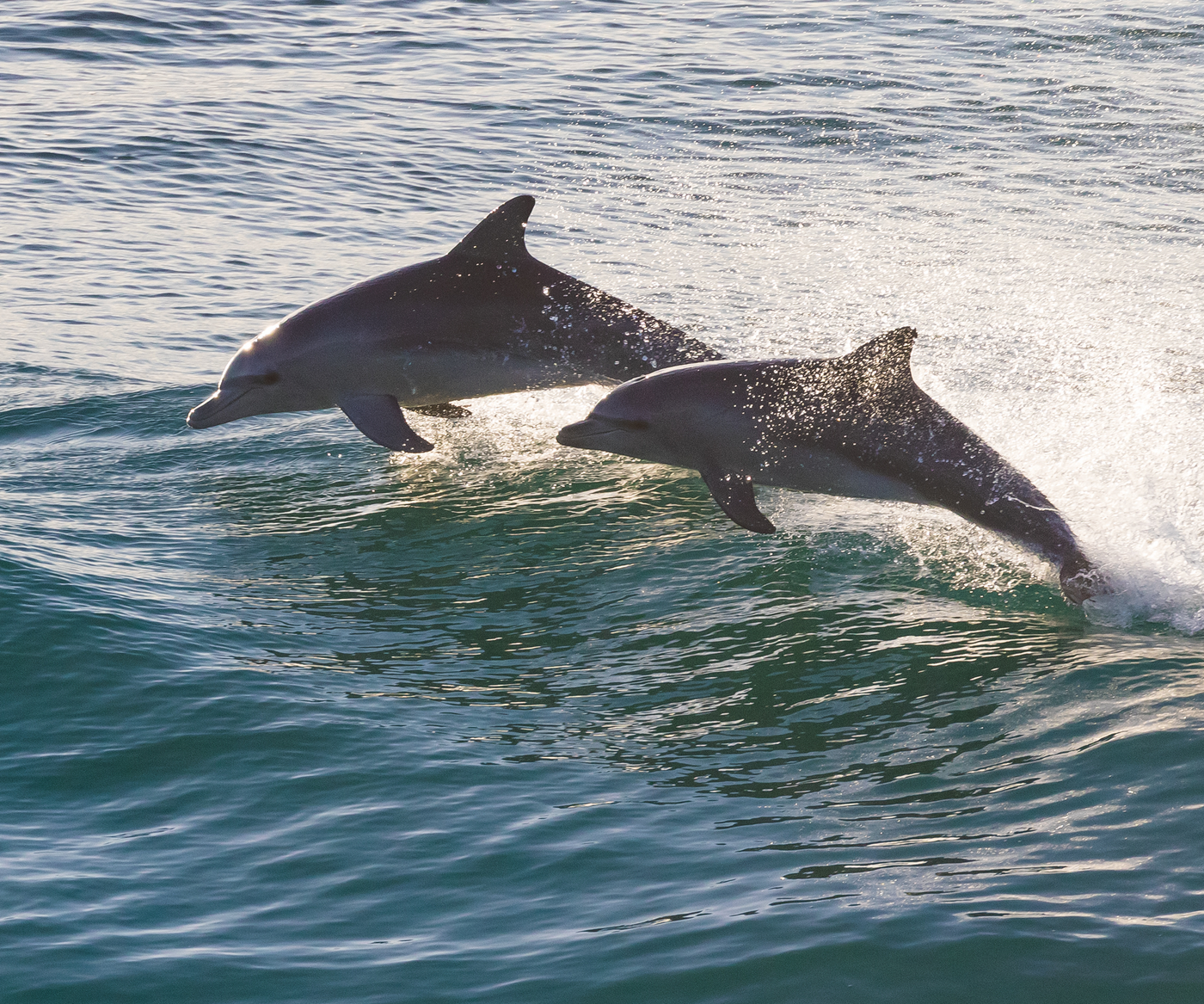

The FIU Marine Conservation Ecology Lab makes waves in research on the ecology, behavior, and conservation of ocean megafauna, including dolphins. By combating threats like bycatch, overfishing, habitat destruction, and climate change, researchers aim to safeguard a future for the ocean’s most iconic residents.
Conservation status
Overall rating: 4.9 / 5 from 63 reviews.
I sent this to my 6-year-old grandson, when I sent his older brother a Scout bracelet and shirt. He enjoys learning about his wild dolphin so much that he named the stuffed dolphin after the one he’s tracking.

She fell in Love at 1st sight!! Lovely!
This stuffed dolphin is way softer than we expected. We love the tracking and the videos with the tracking are great!
wonderful gift. my spouse loves dolphins, so this was perfect!! thanks and a great quality product to boot!!
love it
My Favorite!
This is as for my granddaughter birthday. It was a big hit.
Very soft
It's a gift along with the 2 bracelets. Everything is perfect and my daughter will love it
Love my Dolly Dolphin. Also sooooooo plush.
Super soft!!
Everything came packaged perfectly, exactly what I wanted. The tracking and amount of time it took was a bit long and difficult to understand but overall great products!!
The ordering process was easy and the shipment was fast. I love my new plush! The dolphin is so cute. I will definitely buy and track another animal.
The dolphin tracks as a seal! my granddaughter was very disappointed
My cats new favorite cuddle buddie. Soft and cute.
Grandson loved the dolphin! So happy he got a dolphin to track.
My grandkids LOVE the bracelets and the 2 yr old loves the plush. They want to track their animals daily!
I got this one for my husband. He has already purchased more for his collection.
This plush is so soft and cute. I love tracking where my dolphin has been and seeing his photos. I, also, like reading the information that Fahlo provides on dolphins
I bought this plush for my 4 year old grandson. His wrists aren't big enough for the bracelets yet. He was so excited! Super soft and so fun to track!
I sleep with it every night
I bought this for my 4 year old grandson since the bracelets are too big for him. It is so soft and I know he will love it!
I purchased this as a gift for my adult friend and she loved it! I track several animals and love seeing where they head to next.
Haven't opened yet, they are Christmas presents, have previously received one as a present and think my grandchildren will love them.
So cute
It's so fluffy!
They are so cute and bettwr than expected!
Got for my Grandaughter she loved it! HER mother was impressed with the tracking. They plan to order other friends 🧡
As always a fantastic purchase!
Cute plush!
It is very fuzzy, plushy and very well designed.. i like it and will definitely order more
Super soft, adorable, quality plush. Love that I’m helping animals in the wild! Tracking my chosen animal is an added plus!
adorable!
This is a christmas gift for our daughter but she absolutely loves all her Fahlo Plushies!!! She has about 6 or 7 already and keeps asking for more!!
So soft!
Dolphin came earlier than expected. Very soft and fluffy, very good to cuddle. Very cute, I absolutely love dolphins. Good shipping. Even came with a dolphin to track named Viking cant wait to see his journey. I also got a bracelet with dolphins and loved it too. Absolutely recommend.
I love it. Its a great product!
Love it, will display it with rest of my dolphin items.
Great quality. Amazing company.
Adorable and super soft! Granddaughter is going to absolutely love it!

6,000,000+
Users worldwide


When you track, we give back. Each purchase unlocks a real animal’s path on an interactive 3D map, with exciting reveals, epic journeys, and a global impact on vital conservation efforts. Download the Fahlo app and collect them all!

