The Expedition Plush

Regular price CA$39.95
Sale price CA$39.95 Regular price CA
  • Tracked via GPS collarTracked via GPS collar
  • This animal’s safety guarded with the Fahlo Protection Ping™This animal’s safety guarded with the Fahlo Protection Ping™

​Every Fahlo tracking experience includes the Fahlo Protection Ping™. This indicates each animal’s unique path may be live, delayed, or historical based on required safety protocol in accordance with our nonprofit partners.

While the experience of following an animal’s journey remains the same for you, we work behind the scenes with our partners to ensure this experience is presented in a way that keeps the animals safe, one step or splash at a time.

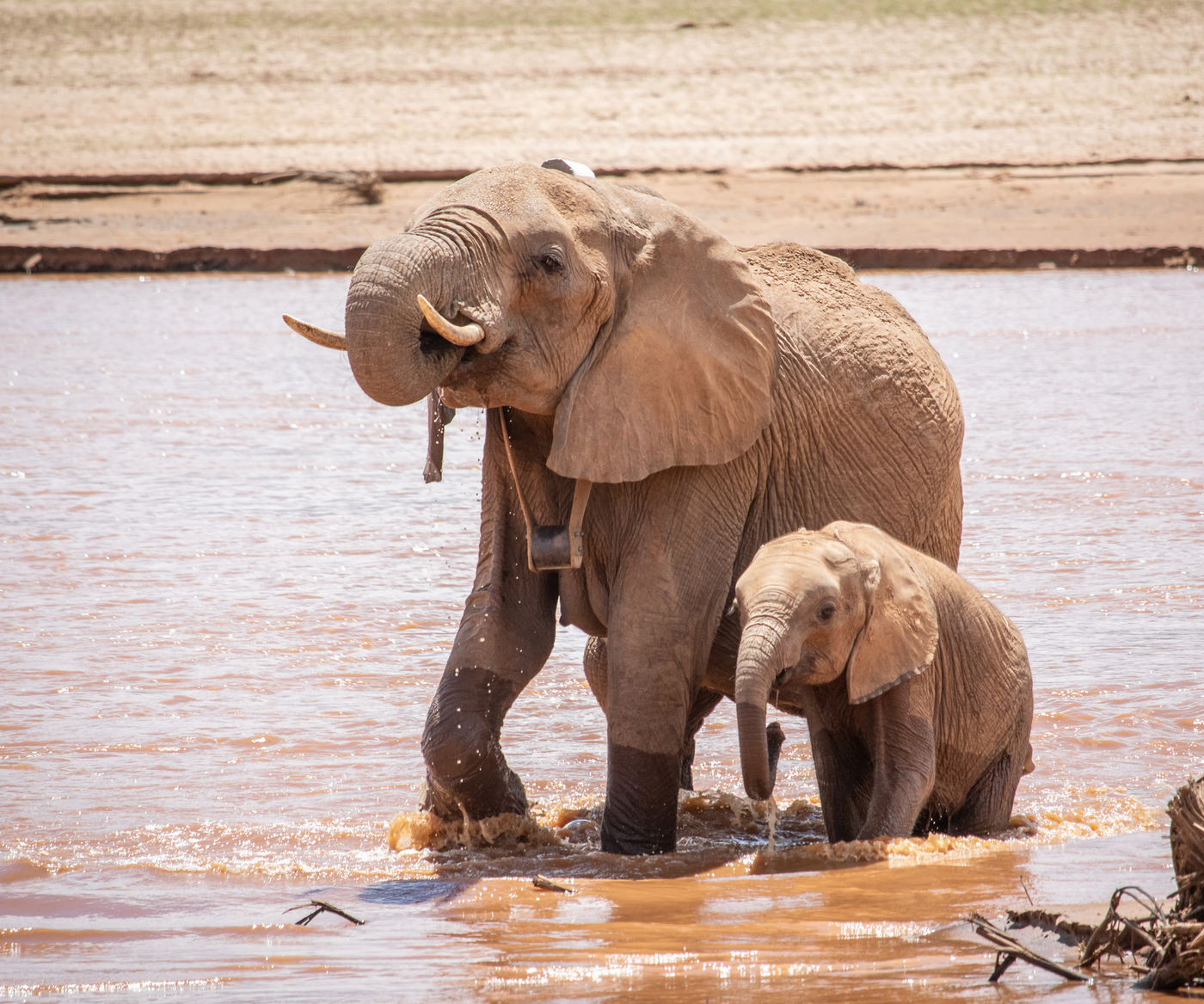
Track a real elephant and add this one to your trunk—er, cart! Created in partnership with Save the Elephants, each elephant plush unlocks an interactive tracking map and helps Fahlo support their conservation.

  • Add 2 or more plush for free shippingAdd 2 or more plush for free shipping
  • Fahlo donates 10% of all profits to our nonprofit partnersFahlo donates 10% of all profits to our nonprofit partners
  • Stuffing made from recycled water bottlesStuffing made from recycled water bottles
  • Huggable for all agesHuggable for all ages
  • Size: 10.25Size: 10.25"

*Free shipping may not be valid with promotional discounts unless otherwise stated. For more details visit the FAQ page.

  • SSL Secure CheckoutSSL Secure Checkout
  • Worldwide ShippingWorldwide Shipping
  • Dedicated Customer ServiceDedicated Customer Service
  • 100% Happiness Guarantee100% Happiness Guarantee
Tracking Real Animals
Out In The Wild
One Small Plush.
One Big Mission.
We donate 10% of profits to Save the Elephants and their work protecting elephants and their habitats. The Expedition Plush helps further this mission with every purchase, tracking African elephants across northern Kenya.
Mission Map
The Expedition Plush
How You're Helping
Tracking provided in partnership with

Save The Elephants (STE) gathers insight into elephant behavior, intelligence, and long-distance movements while fostering peaceful human-elephant coexistence. Amid ongoing threats of habitat loss and ivory poaching, STE uses the tools and knowledge acquired to set elephants up for long term survival success.

Conservation status

  • EX
  • EW
  • CR
  • EN
    Endangered
  • VU
  • NT
  • LC
  • DD
  • NE
Reviews
Common Questions
common question image

Why do we track elephants?

Save the Elephants (STE) uses GPS-tracking equipment to better understand elephant movements and behaviour. As the human population grows across Africa and the landscape gets increasingly crowded, this tracking data is key to defining and protecting elephant habitats and the corridors that link areas used by both elephants and other wildlife. To date, STE has tracked over 900 elephants!

Using this technology they can also tell when an elephant has become unnaturally mobile – a warning that can indicate that an elephant is in trouble. These alerts are issued to wildlife management teams to allow a rapid response and can make the difference between life and death.

STE provides Fahlo with delayed tracking data for security reasons so we’re never giving away an elephant’s live location. Despite this delay, you’ll still receive a near daily update of your elephant’s location from just a few weeks ago!

To learn more about why elephants are tracked, visit our partner Save the Elephants directly at savetheelephants.org.

How does tracking work?

“Elephant collars contain a small transmitter and use GPS and satellite tracking technology (similar to what we use in car navigation systems). Save the Elephants monitors the location of a collared elephant at regular intervals (every 30–60 minutes). This information plays an important part in defining and protecting elephant corridors. We later plot these coordinates on a map so you can see where your Fahlo elephant has traveled!” - Save the Elephants

To learn more, visit our partner directly at savetheelephants.org.

Does tracking harm the elephants?

“No—the collar does not harm the elephant; it is very light and sits loosely around the neck like a pendant would on us. Collaring is carefully performed by an experienced team. Firstly, an elephant is located by a ground team or from the air, then a vet will prepare and shoot a dart containing an anesthetic. A collar is fitted as quickly and safely as possible before the vet helps revive the elephant in minutes.” - Save the Elephants

To learn more, visit our partner directly at savetheelephants.org.

How smart is an elephant?

With the largest brain of any land animal, elephants are incredibly smart. They can use tools, understand human body language and mimic human voices, show empathy toward other animals and each other, and demonstrate astounding capabilities to create and store memories. It’s the reason you may have heard that elephants never forget!

Why are elephants going extinct?

The greatest factors contributing to elephant extinction are all related to human activity; the sharing of land in Asia and Africa has created conflict between humans and elephants, making them targets. The most harmful activities include poaching, hunting them for their ivory, and habitat destruction.

What are elephants scared of?

Surprisingly, elephants are most scared of two very small creatures: bees and mice. Bees scare them because they tend to swarm. While one bee sting is relatively harmless, hundreds of stings at once can be very painful. Mice are frightening because they tend to startle elephants due to their small size.

How long do elephants live?

Many elephants live fairly long lives, some surviving 60–70 years, while males often live longer (even up to 90 years)!

What purpose do elephant tusks serve?

Tusks are actually elongated front teeth that never stop growing, though they’re not used for chewing. Elephants use their tusks to dig for roots or water, strip bark from trees, lift objects, or as a defensive tool against predators or other elephants competing for mates.

Ivory poaching presents a major threat to wild elephants; many view ivory as extremely culturally valuable, and poachers cause thousands of elephant deaths every year in order to remove their tusks. Most often, they’re turned into artwork or trinkets sold in other parts of the world.

How do I wash my elephant plush?

Wipe with damp sponge or cloth, using warm water and mild soap. Once dry, brush to restore the plush and proceed with snuggling.

My plush arrived a little misshapen, what do I do?

Your plush had quite the long journey to get to you! If it appears squished from lack of legroom during shipping, give it a good fluff to help it return to its normal, cuddly shape. Still need help? Email us at support@myfahlo.com.

    • Save the Elephants (STE) uses GPS-tracking equipment to better understand elephant movements and behaviour. As the human population grows across Africa and the landscape gets increasingly crowded, this tracking data is key to defining and protecting elephant habitats and the corridors that link areas used by both elephants and other wildlife. To date, STE has tracked over 900 elephants!

      Using this technology they can also tell when an elephant has become unnaturally mobile – a warning that can indicate that an elephant is in trouble. These alerts are issued to wildlife management teams to allow a rapid response and can make the difference between life and death.

      STE provides Fahlo with delayed tracking data for security reasons so we’re never giving away an elephant’s live location. Despite this delay, you’ll still receive a near daily update of your elephant’s location from just a few weeks ago!

      To learn more about why elephants are tracked, visit our partner Save the Elephants directly at savetheelephants.org.

    • “Elephant collars contain a small transmitter and use GPS and satellite tracking technology (similar to what we use in car navigation systems). Save the Elephants monitors the location of a collared elephant at regular intervals (every 30–60 minutes). This information plays an important part in defining and protecting elephant corridors. We later plot these coordinates on a map so you can see where your Fahlo elephant has traveled!” - Save the Elephants

      To learn more, visit our partner directly at savetheelephants.org.

    • “No—the collar does not harm the elephant; it is very light and sits loosely around the neck like a pendant would on us. Collaring is carefully performed by an experienced team. Firstly, an elephant is located by a ground team or from the air, then a vet will prepare and shoot a dart containing an anesthetic. A collar is fitted as quickly and safely as possible before the vet helps revive the elephant in minutes.” - Save the Elephants

      To learn more, visit our partner directly at savetheelephants.org.

    • With the largest brain of any land animal, elephants are incredibly smart. They can use tools, understand human body language and mimic human voices, show empathy toward other animals and each other, and demonstrate astounding capabilities to create and store memories. It’s the reason you may have heard that elephants never forget!

    • The greatest factors contributing to elephant extinction are all related to human activity; the sharing of land in Asia and Africa has created conflict between humans and elephants, making them targets. The most harmful activities include poaching, hunting them for their ivory, and habitat destruction.

    • Surprisingly, elephants are most scared of two very small creatures: bees and mice. Bees scare them because they tend to swarm. While one bee sting is relatively harmless, hundreds of stings at once can be very painful. Mice are frightening because they tend to startle elephants due to their small size.

    • Many elephants live fairly long lives, some surviving 60–70 years, while males often live longer (even up to 90 years)!

    • Tusks are actually elongated front teeth that never stop growing, though they’re not used for chewing. Elephants use their tusks to dig for roots or water, strip bark from trees, lift objects, or as a defensive tool against predators or other elephants competing for mates.

      Ivory poaching presents a major threat to wild elephants; many view ivory as extremely culturally valuable, and poachers cause thousands of elephant deaths every year in order to remove their tusks. Most often, they’re turned into artwork or trinkets sold in other parts of the world.

    • Your plush had quite the long journey to get to you! If it appears squished from lack of legroom during shipping, give it a good fluff to help it return to its normal, cuddly shape. Still need help? Email us at support@myfahlo.com.

App download background image
App download devices image

Get the full tracking experience

When you track, we give back. Each purchase unlocks a real animal’s path on an interactive 3D map, with exciting reveals, epic journeys, and a global impact on vital conservation efforts. Download the Fahlo app and collect them all!