The Ascent Bracelet

Regular price CA$24.95
Sale price CA$24.95 Regular price CA
Alpine
  • Tracked via multiple methods: GPS collar and motion sensor trail cameras.Tracked via multiple methods: GPS collar and motion sensor trail cameras.
  • This animal’s safety guarded with the Fahlo Protection Ping™This animal’s safety guarded with the Fahlo Protection Ping™

Every Fahlo tracking experience includes the Fahlo Protection Ping™. This indicates each animal’s unique path may be live, delayed, or historical based on required safety protocol in accordance with our nonprofit partners.

While the experience of following an animal’s journey remains the same for you, we work behind the scenes with our partners to ensure this experience is presented in a way that keeps the animals safe, one step or splash at a time.

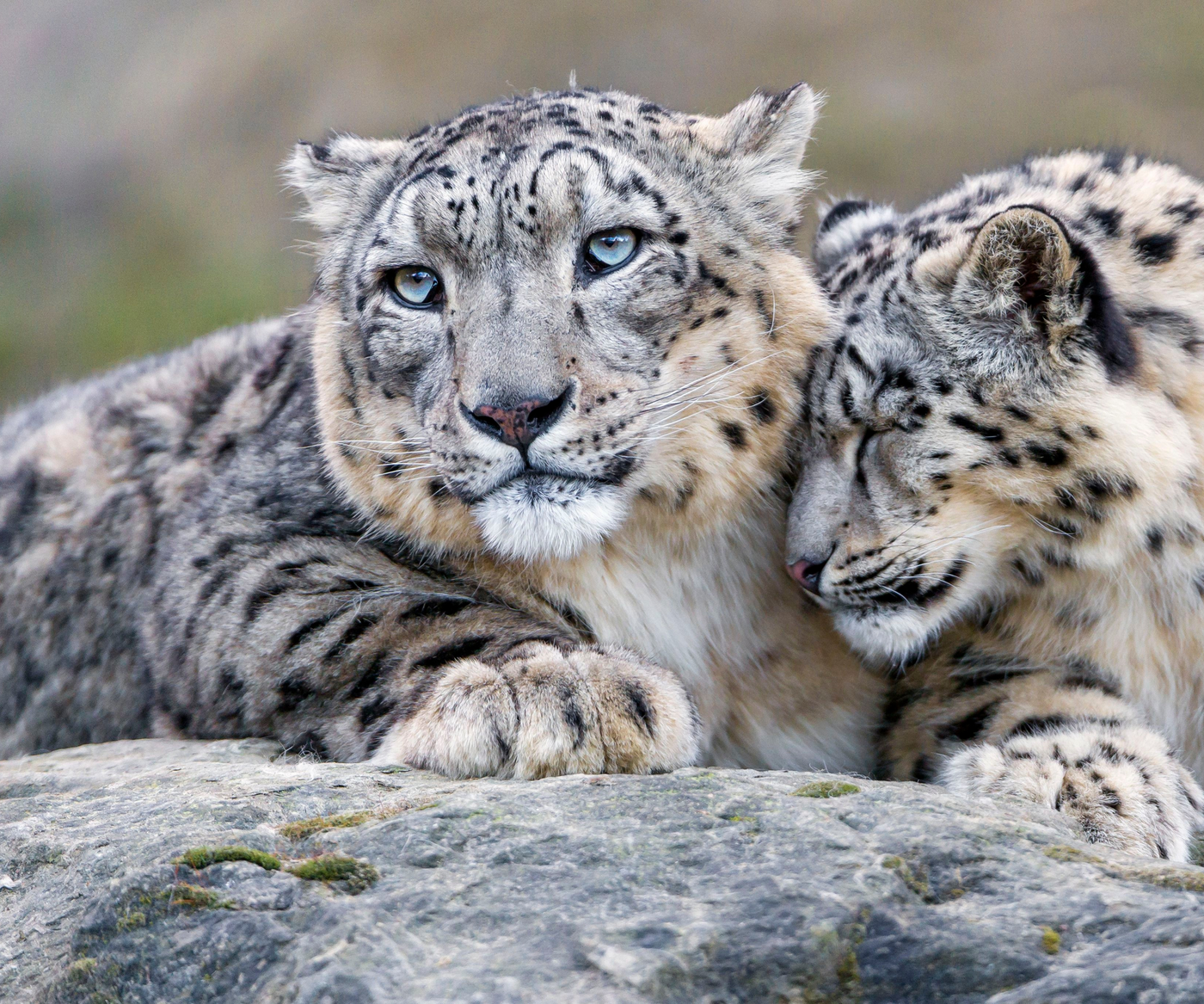
Created in partnership with Snow Leopard Conservancy, each bracelet unlocks an interactive tracking map and helps Fahlo support snow leopard conservation in the mountains of Central and South Asia. Better bundle up!

  • Add 3 or more and get free shipping!Add 3 or more and get free shipping!
  • Fahlo donates 10% of all profits to our nonprofit partnersFahlo donates 10% of all profits to our nonprofit partners
  • Sizing: Elastic, one size fits mostSizing: Elastic, one size fits most

Hand-strung and one of a kind: Because our bracelets are made from natural crushed stone or glass, slight variations in bead color and pattern make each one totally unique!

*Free shipping may not be valid with promotional discounts unless otherwise stated. For more details visit the FAQ page.

  • SSL Secure CheckoutSSL Secure Checkout
  • Worldwide ShippingWorldwide Shipping
  • Dedicated Customer ServiceDedicated Customer Service
  • 100% Happiness Guarantee100% Happiness Guarantee
Tracking Real Animals
Out In The Wild
One Small Bracelet.
One Big Mission.
We donate 10% of net profits to Snow Leopard Conservancy and their work conserving snow leopards and their mountain habitats. Your purchase helps further their mission alongside environmental awareness and innovative practices with local communities.
Mission Map
How It Works
tundra mandala pattern

Buy a bracelet or plush of your favorite animal species.

tundra mandala pattern 2
tundra mandala pattern 1
fahlo bracelet
fahlo tracking card
fahlo bracelet

You’re now tracking

Rosy

world map background tracking path on world map
map marker
snow-leopard app about content header image snow-leopard app about content body image
snow-leopard app updates content header image snow-leopard app updates content body image
tundra app rewards - background image
tundra app rewards - levels image
tundra app rewards - header image
The Ascent Bracelet
How You're Helping
Tracking provided in partnership with

The Snow Leopard Conservancy is dedicated to the survival of snow leopards and conservation of their mountain habitats. By growing environmental awareness and sharing innovative practices with local communities, they envision a future in which people and wildlife exist in harmony with their environment.

Conservation status

  • EX
  • EW
  • CR
  • EN
  • VU
    Vulnerable
  • NT
  • LC
  • DD
  • NE
Reviews
Common Questions
common question image

Why are snow leopards tracked?

“Historically, it was almost impossible to track snow leopards. Until the late 20th century, little was known about snow leopard biology; these elusive cats inhabit remote mountainous regions that are often difficult for researchers to access. However, successfully tracking these animals provides valuable insights into their behavior, movements, life strategies, and interactions with the human landscape. As conservationists gather more information about snow leopards, they can develop and implement more effective measures to protect these magnificent creatures.”

To learn more, visit our partner directly at snowleopardconservancy.org.

How are snow leopards tracked?

“Snow leopards are tracked by direct and indirect methods. In direct tracking, snow leopards are captured and fitted with GPS satellite collars, which typically stay in place for about a year, transmitting the animal’s location on a predetermined schedule.

“However, due to the remote habitats of snow leopards and the high costs associated with collar-based tracking, researchers often employ indirect methods. These include the use of motion sensor trail cameras that capture both still photographs and videos to record the presence of snow leopards. As these cats are solitary and home ranges seldom overlap, it is possible to track movement patterns of individual animals through these images. Researchers also look for physical evidence of snow leopards, such as pug (or footprint) marks, scat, and scent markings. Indirect tracking allows researchers to gather important data on snow leopard presence and behavior, especially when direct tracking is impractical.

“The tracking for this animal uses some known historical locations and extrapolates others based on known behaviors (snow leopards move to lower altitudes during the colder months as they follow their prey, they can stay at a kill site for several days, but can travel many kilometers in one day, as well). To safeguard these elusive cats from potential poaching threats, we have deliberately chosen not to disclose exact locations in our tracking data.”

To learn more, visit our partner directly at snowleopardconservancy.org.

Does tracking harm the snow leopards?

“Indirect tracking (trail cameras, sign, and scent surveys) has no effect on the snow leopard as there is no contact between people and the cat.

“Direct tracking (GPS collaring) does require a cat to be tranquilized and handled. During this procedure, researchers place the collar, collect blood samples for health assessment, and take weight and body measurements. While any anesthesia carries a minimal risk, it’s important to note that no snow leopard has ever suffered harm from this process. Furthermore, the collar is designed to not interfere with the cat’s regular activities. Snow Leopard Conservancy does not collar the cats but will utilize the data from organizations and national agencies that do collar.”

To learn more, visit our partner directly at snowleopardconservancy.org.

What are the biggest threats to snow leopards?

“The two biggest threats for snow leopards are human interactions and climate change. There are a variety of reasons for people and snow leopards to come into contact. Poachers hunt snow leopards to sell their fur and body parts, and they also hunt the cat’s prey. Additionally, conflicts arise when livestock herding practices do not align with wildlife sustainability. If domestic herds are left unguarded or are poorly protected, snow leopards may prey on the livestock out of opportunity or necessity. This often leads to retaliatory killings by herders, who track the cats to their kill sites to prevent it from making further killings.

“A warming planet is predicted to cause changes to current ecosystems, as well. Although snow leopards are somewhat adaptable to their environment, their prey are not quite as resilient and are expected to be adversely affected by changes to their food sources. Consequently, snow leopards may be forced to greatly expand their search for food or resort to preying on domestic herds more frequently, potentially escalating conflicts with humans.”

To learn more, visit our partner directly at snowleopardconservancy.org.

What do snow leopards eat?

Snow leopards are carnivores and apex predators in the high mountains of Asia. They prey on a variety of animals, including blue sheep, ibex, deer, birds, and other small mammals like pikas and marmots.

Where do snow leopards live?

True to their name, snow leopards thrive in colder climates, specifically at high altitudes in the mountains of Central and South Asia, including the Himalayas. Their habitat is rugged and remote with plenty of steep, rocky areas, making these cats hard to spot!

In warmer months, snow leopards live in the high “alpine zone,” and in colder months move down into the “subalpine zone” to remain close to prey that come down for better winter grazing opportunities.

How fast can a snow leopard run?

Snow leopards can run very fast in short bursts, though their steep, rocky habitat makes it impossible to run for long distances. These big cats have been recorded making impressive 30-foot (9.1-meter) leaps with a running start, and they use their massive, fluffy tail for balance.

How many snow leopards are left in the wild?

The exact number of snow leopards in the wild is uncertain with varied estimates. The International Union for Conservation of Nature (IUCN) last determined that there are between 2,710 and 3,386 adult snow leopards in Central Asia, with the number decreasing—they were previously endangered and are now deemed a vulnerable species. Other estimates suggest the population ranges between 4,000 to 7,500 cats. Newer technologies and camera traps, however, are allowing researchers to obtain a more accurate count.

    • “Historically, it was almost impossible to track snow leopards. Until the late 20th century, little was known about snow leopard biology; these elusive cats inhabit remote mountainous regions that are often difficult for researchers to access. However, successfully tracking these animals provides valuable insights into their behavior, movements, life strategies, and interactions with the human landscape. As conservationists gather more information about snow leopards, they can develop and implement more effective measures to protect these magnificent creatures.”

      To learn more, visit our partner directly at snowleopardconservancy.org.

    • “Snow leopards are tracked by direct and indirect methods. In direct tracking, snow leopards are captured and fitted with GPS satellite collars, which typically stay in place for about a year, transmitting the animal’s location on a predetermined schedule.

      “However, due to the remote habitats of snow leopards and the high costs associated with collar-based tracking, researchers often employ indirect methods. These include the use of motion sensor trail cameras that capture both still photographs and videos to record the presence of snow leopards. As these cats are solitary and home ranges seldom overlap, it is possible to track movement patterns of individual animals through these images. Researchers also look for physical evidence of snow leopards, such as pug (or footprint) marks, scat, and scent markings. Indirect tracking allows researchers to gather important data on snow leopard presence and behavior, especially when direct tracking is impractical.

      “The tracking for this animal uses some known historical locations and extrapolates others based on known behaviors (snow leopards move to lower altitudes during the colder months as they follow their prey, they can stay at a kill site for several days, but can travel many kilometers in one day, as well). To safeguard these elusive cats from potential poaching threats, we have deliberately chosen not to disclose exact locations in our tracking data.”

      To learn more, visit our partner directly at snowleopardconservancy.org.

    • “Indirect tracking (trail cameras, sign, and scent surveys) has no effect on the snow leopard as there is no contact between people and the cat.

      “Direct tracking (GPS collaring) does require a cat to be tranquilized and handled. During this procedure, researchers place the collar, collect blood samples for health assessment, and take weight and body measurements. While any anesthesia carries a minimal risk, it’s important to note that no snow leopard has ever suffered harm from this process. Furthermore, the collar is designed to not interfere with the cat’s regular activities. Snow Leopard Conservancy does not collar the cats but will utilize the data from organizations and national agencies that do collar.”

      To learn more, visit our partner directly at snowleopardconservancy.org.

    • “The two biggest threats for snow leopards are human interactions and climate change. There are a variety of reasons for people and snow leopards to come into contact. Poachers hunt snow leopards to sell their fur and body parts, and they also hunt the cat’s prey. Additionally, conflicts arise when livestock herding practices do not align with wildlife sustainability. If domestic herds are left unguarded or are poorly protected, snow leopards may prey on the livestock out of opportunity or necessity. This often leads to retaliatory killings by herders, who track the cats to their kill sites to prevent it from making further killings.

      “A warming planet is predicted to cause changes to current ecosystems, as well. Although snow leopards are somewhat adaptable to their environment, their prey are not quite as resilient and are expected to be adversely affected by changes to their food sources. Consequently, snow leopards may be forced to greatly expand their search for food or resort to preying on domestic herds more frequently, potentially escalating conflicts with humans.”

      To learn more, visit our partner directly at snowleopardconservancy.org.

    • Snow leopards are carnivores and apex predators in the high mountains of Asia. They prey on a variety of animals, including blue sheep, ibex, deer, birds, and other small mammals like pikas and marmots.

    • True to their name, snow leopards thrive in colder climates, specifically at high altitudes in the mountains of Central and South Asia, including the Himalayas. Their habitat is rugged and remote with plenty of steep, rocky areas, making these cats hard to spot!

      In warmer months, snow leopards live in the high “alpine zone,” and in colder months move down into the “subalpine zone” to remain close to prey that come down for better winter grazing opportunities.

    • Snow leopards can run very fast in short bursts, though their steep, rocky habitat makes it impossible to run for long distances. These big cats have been recorded making impressive 30-foot (9.1-meter) leaps with a running start, and they use their massive, fluffy tail for balance.

    • The exact number of snow leopards in the wild is uncertain with varied estimates. The International Union for Conservation of Nature (IUCN) last determined that there are between 2,710 and 3,386 adult snow leopards in Central Asia, with the number decreasing—they were previously endangered and are now deemed a vulnerable species. Other estimates suggest the population ranges between 4,000 to 7,500 cats. Newer technologies and camera traps, however, are allowing researchers to obtain a more accurate count.

App download background image
App download devices image

Get the full tracking experience

When you track, we give back. Each purchase unlocks a real animal’s path on an interactive 3D map, with exciting reveals, epic journeys, and a global impact on vital conservation efforts. Download the Fahlo app and collect them all!