

Love it, the material is really fluffy


 Tracked via VHF (Very High Frequency) collar
 This animal’s safety guarded with the Fahlo Protection Ping™
Get your mountain gear ready, we’re heading to the Himalayas! Created in partnership with AZA’s SAFE Saving Animals From Extinction Red Panda and Red Panda Network, each tracking plush unlocks an interactive map and helps Fahlo support red panda conservation in Nepal.
 Add 2 or more plush for free shipping
 Fahlo donates 10% of all profits to our nonprofit partners
 Stuffing made from recycled water bottles
 Huggable for all ages
 SSL Secure Checkout
 Dedicated Customer Service
 100% Happiness Guarantee

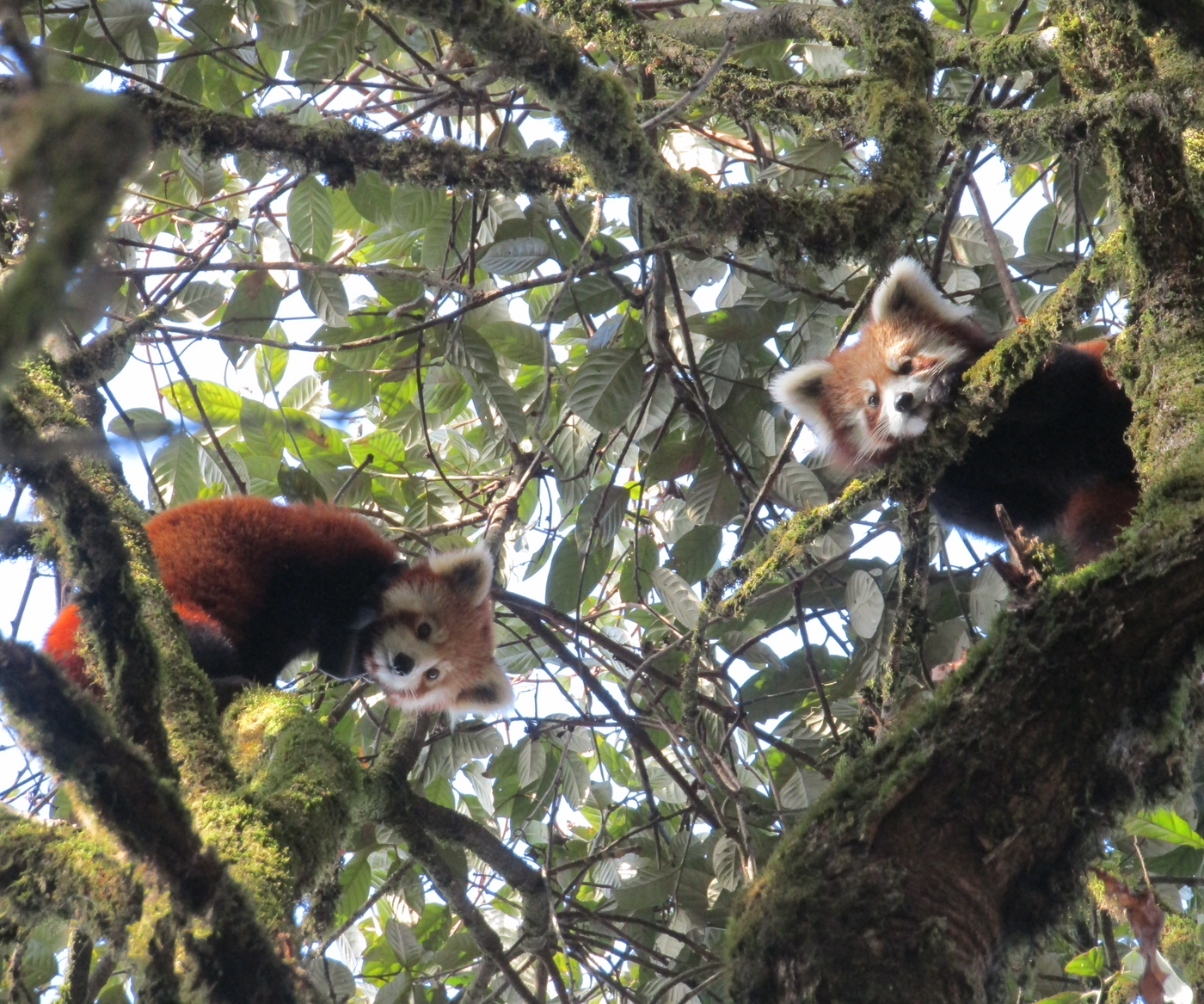

The AZA’s SAFE (Saving Animals From Extinction) Red Panda program focuses on protecting red pandas in their natural habitats and in zoos. It aims to increase awareness of conservation work, promote research studying behavior, genetics, and breeding, and support fieldwork efforts to help red pandas thrive in the wild.
Conservation status
Overall rating: 4.9 / 5 from 74 reviews.
Love it, the material is really fluffy

My 5 yr old grandson loves Red Panda & was so excited to get the stuffy and track his very own special friend! The stuffy is big, soft as velvet and well made. He is enjoying her travels and learning about the Red Pandas. He says “Wow! I didn’t know that”. I highly recommend this organization & products. I have also purchased Koala bear she moves around a lot, Wolf he wanders out of range a bit but always comes back in range, Giraffe is on its way to granddaughter now. It is a unique way for kids to learn about animals.

I love these plushies!! I’ve given them to all 3 grandsons and kept a few for my own!!

I think this plush is so cute and very soft, I love his big tail. If you are going to buy one of the Fahlo plushies, I definitely recommend this red panda one.

Reality amazing experience. I got the plush and accidentally ripped the qr code to track it and emailed them and not only did I get a answer back the same day but in 30 minutes to a hour and they put my animal on the map right away. Absolutely amazing service. They went above and beyond.

I love the plushy so much! It's so cute and so soft! Plus, red pandas are one of my favorite animals! I'm so happy that I got it a few days after I ordered it! ❤❤❤

Very soft, very sweet, and very cute

Anybody who has seen 'Ngima' plush falls in love. The material is incredibly soft and the facial features are too cute. A very well made plush.
I got this for my niece’s birthday. It is so soft and well made. The tail is perfect, they made it fairly close to a real size red panda! Can’t wait for them to bring back the leatherback turtle plush! I missed out on it before
love the stuffed animals
I love it
I love tracking my red panda, so much, that this is my 3rd red panda I track!! The plush doll is so cute, and super soft.
The plush fur is soft and the plush is squishy. It’s perfect for cuddles and hugs while tracking a real animal! We have a few different animals in plush form and love them all!
It’s the cutest thing. Soft and fuzzy.
Qualität super
Very cute plush! Daughter loves it!
Love it.
A soft and cuddly animal that looks wonderful in my collection. I am very much looking forward to following his counterpart in the app!
The plush is soft and was made perfectly.
Nice to be mindful of tracking real red pandas as they go about their lives!
So soft and cute, I love it.
I love donating to help animals. And with this donation I get either an awesome bracelet or a cute super soft, super cuddly stuffy like this red panda. It reminds me every day of the work that has been done to help them but also what needs to be done. Love Fahlo and what they stand for. And their awesome plushies.
I love the red panda plushie. I have it on my bed along with the giraffe, hammerhead shark, elephant the snow leopard and my personal favorite the koala plush.
Love it
Such a sweet plushie! My kids love it. Can't wait to pick up more later on!
Good customer service and great products.
I absolutely love this. I was hoping for a Red Panda Plush and got it. How about a Tiger Plush soon. I already have the Polar Bear Plus and love that as well.
Very soft and cuddly
Bought for my daughters 18 and she loved it
The plush arrived pretty quickly, but it might have been packaged better, since there were a few tears in the package. However the plush is very cute and we're enjoying checking were our red panda is everyday :)
Very soft & partner says very cuddly.
Love these bracelets and the plushes, it is great that some proceeds help in research and habitat conservation.
Excellent. Very cute and soft and it helps the red pandas too. I love it!
Our little one loves the Red Panda very soft perfect size to carry around
So cool and so cute. I am so happy it arrived!
Really love my red panda, couldn’t be happier with it!
Worth the limited exposure!! Sooo cute and ADORABLE AND DEFINITELY ANOTHER STAR IN MY COLLECTION!!!
My daughter loves it, Red Pandas are one of her new favorite animals now :)
We were hoping they would add the red panda plushie. It's my husband's favorite animal(he won't wear the bracelet), and I thought it would be fun to follow a real one. The plushie is really great, made well, and so soft. We're enjoying learning about and following our panda as well.
This plush is absolutely adorable! Love it!

6,000,000+
Users worldwide


When you track, we give back. Each purchase unlocks a real animal’s path on an interactive 3D map, with exciting reveals, epic journeys, and a global impact on vital conservation efforts. Download the Fahlo app and collect them all!

