

My friend for more the 20 year giving to me, gift for more years together 🫶🏼🥹🌷


 Tracked via SPOT (Smart Position and Temperature) tag
 This animal’s safety guarded with the Fahlo Protection Ping™
Created in partnership with FIU Marine Mammal Ecology Lab, each dolphin tracking bracelet unlocks an interactive map and helps Fahlo support their conservation.
 Add 3 or more and get free shipping!
 Fahlo donates 10% of all profits to our nonprofit partners
 Sizing: Elastic, one size fits most
 SSL Secure Checkout
 Worldwide Shipping
 Dedicated Customer Service
 100% Happiness Guarantee


Choose the animal you want to track!
Scan the QR code on the tracking card included with your order.
Meet your animal and let the adventure begin.
Receive photos, videos, and updates along the way.
Track species from all over the world, and level up to earn exclusive rewards.


You’re now tracking
Ray


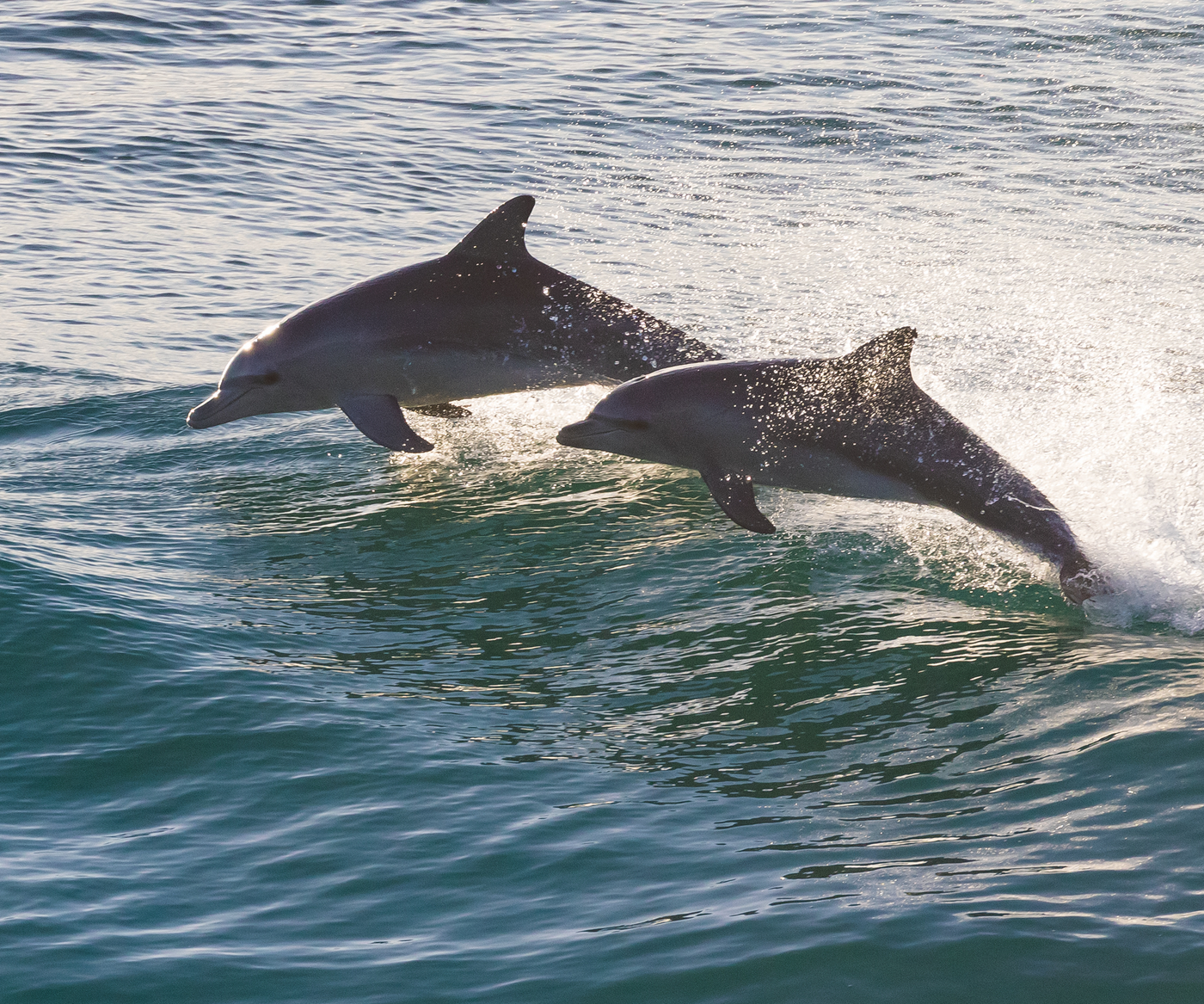

The FIU Marine Conservation Ecology Lab makes waves in research on the ecology, behavior, and conservation of ocean megafauna, including dolphins. By combating threats like bycatch, overfishing, habitat destruction, and climate change, researchers aim to safeguard a future for the ocean’s most iconic residents.
Conservation status
Overall rating: 4.7 / 5 from 1748 reviews.
My friend for more the 20 year giving to me, gift for more years together 🫶🏼🥹🌷

My toddler and I love collecting, learning about, and tracking these animals together

Beautiful bracelet and a great way to help endangered animals with organizations to that animal that the money goes to

i love watching where my dolphin Melon travels! wearing this bracelet is just my way of showing i support protecting dolphins!!

Beautiful bracelet

I love to talk about my creatures and show them off in the tracker.

Love them both and I get compliments on them. I was in Walmart and a lady ask who and what I was tracking. Made us both smile.

I bought myself the dolphin in memory of my grandad! The fondest memory I have of him is when we went on holiday and he bought me a pink dolphin plushie. I treasure that memory now that he's passed, and I hope that he's smiling down at me knowing I've got something in memory of him that is also helping to protect species from extinction. I also bought a snow leopard for my best friend. In memory of her nan, whom she remembers by a white tiger. A snow leopard was the closest thing I could buy to represent that for her and she is so excited to be able to track her animal and help to protect the species.

The Backfin is missing and it doesnt Look like a dolphin. As Well the Braclette doesnt fit well because the Head of the dolphin Stands up. I saw other dolphin braclettes who Looks nice but this one doesnt!!! The Support wasnt helpful for this Problem.

Love 🐬

I love it! The color is perfect!

Love the bracelet but as the dolphin is drilled through its back it’s nose sticks up & is uncomfortable if I lean on it.

The Dolphin does not sit the way it does in the picture, but I love it better this way.

I ABSOLUTELY LOVE THIS BRACELET...its one of my favs, and I have quite the collection lol...the picture does NOT do the beautiful rich color of the purple beads...and I love how the dolphin lays...it just make me happy.

Where the hole was located on the dolphin bead made it look more like a sea lion. I don’t have anything against sea lions, but the intention was to give someone who loves dolphins a bracelet.

Love following my dolphin Michael ❤️

It’s really good I love the color and I love my dolphin and I can’t wait to get more 😊

Enjoy the trading and get compliments on the bracelets

Nice beacelet.

I love every bracelet! They look even cuter when you wear them with friends. And the Fahlo app notifications are my favorite.

I love to watch my dolphin and giraffe on the maps of where they are and where they have been.. My first Giraffe the tracker messed up and they contacted me and made it right!! Fahlo is Fantastic!! I love them

Love my dolphin baclett have also brought one for my niece

These bracelets are so cool and watching the tracking of the dolphin is awesome. My husband has the elephant one and we have ordered another for each of us.

It's so cute! I love tracking my animal how ever it stopped showing signals and they gave me a new one:( I miss per but cute bracelet love the cause

I love it so so much and I love my dolphin John but sadly experience was cut short and I have Hannah now but I love them both. Super super cute and great quality I recommend!

absolutely in LOVE with my first FAHLO bracelet! the colour & pendant are so flattering in real life, i’ve had so many compliments on it already! 🐚🌊 also not to mention the gorgeous dolphin i am now able to keep track of now! 100% recommend these bracelets, it’s for an amazing cause and just look beautiful (also the packaging was very sustainable!) can’t wait to show my bracelet off even more & keep track of ‘michael’ the dolphin! 🐬🤍

Awesome bracelet, everyone ask about it!

My mom and I went to The Marine Science Center today in Ponce Inlet and saw these bracelets in the gift shop. I decided to track a dolphin and she chose a turtle. We both had so much fun learning about them and seeing their journey and we love our bracelets. This is such a neat idea!

I love my bracelet, its super cute and I'm so happy with the dolphin that it represents

When I got it, it was in a little box with a card that said meet John, which is a bottlenose dolphin that was released in Florida. There’s a whole biography about John and there’s a barcode at the bottom that you can scan and track your dolphin. It is so much fun and the bracelet is just amazing, it’s even better knowing that the money went to a great organization.

These are so so cute and I’m so excited to have them

My granddaughter was so excited when she realized what the bracelet was and that she could track her dolphin’s journey. Got one for each grandchild. This is a unique gift idea and the kids love that they are actually tracking live animals. Would recommend!

Added to my “pink” collection- love my animals.

I love the bracelet and I love the fact that I can be involved in helping the dolphins. Is there one of my favorite animals in the whole world? Keep up the good work.

I love Dolphins 🐬 💙 it is a neat thing when you are able to track your special dolphin to see his location and part of the money is donated. I went on a Disney Dream Cruise last March and was my first time swimming with the dolphins... I also got a lion, & a penguin. I purchased a dolphin & giraffe for my Goddaughter, a shark for my best friend and my daughter.

They are so comfortable. I wear them all the time. I love their names. My dolphins name is John. My turtles name is Lady Jane and my sharks name is Eddie. Eddie is a girl.

I got the Odyssey Bracelet in Echo Purple and it is so cute! I love wearing all of my Fahlo bracelets and this one is definitely one of my favorites <3

Im literally SO in love with my bracelet (the pink one was for my bestfriend). I always loved dolphins since i was a little little girl and now being aware that i adopted one warms my heart🩵🫂 His name is John and im so glad to know him! i always check to see where hes going and how far he goes everytime i get a tracking update and lemme tell u this boy be swimmingggg hahahah im soon gonna get another one🫂

I track my dolphin everyday!! Teri is getting some miles swimming off the coasts of Florida!!

I really love my bracelets; I have 3 so far. They seem to be well made and pretty!

6,000,000+
Users worldwide


When you track, we give back. Each purchase unlocks a real animal’s path on an interactive 3D map, with exciting reveals, epic journeys, and a global impact on vital conservation efforts. Download the Fahlo app and collect them all!

