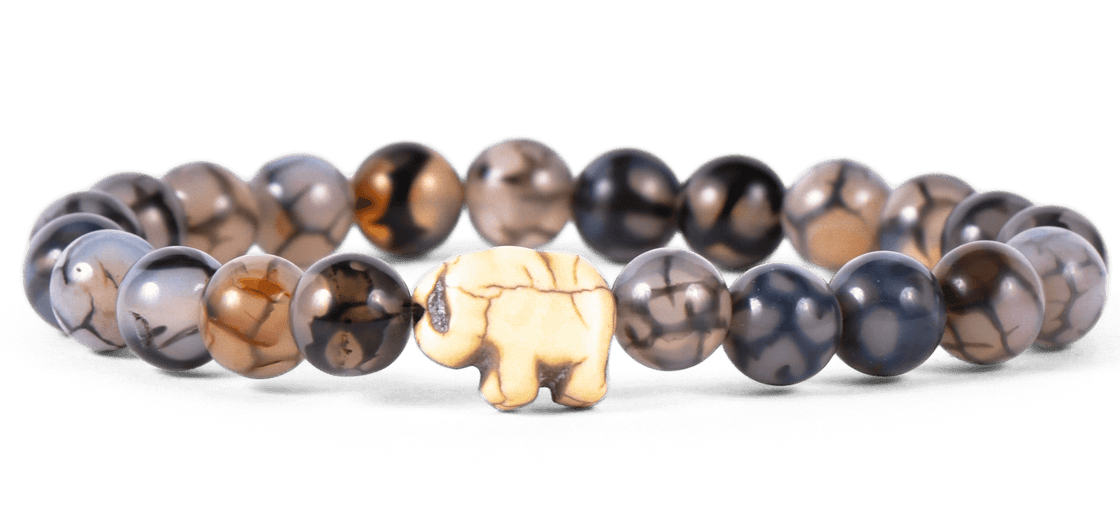
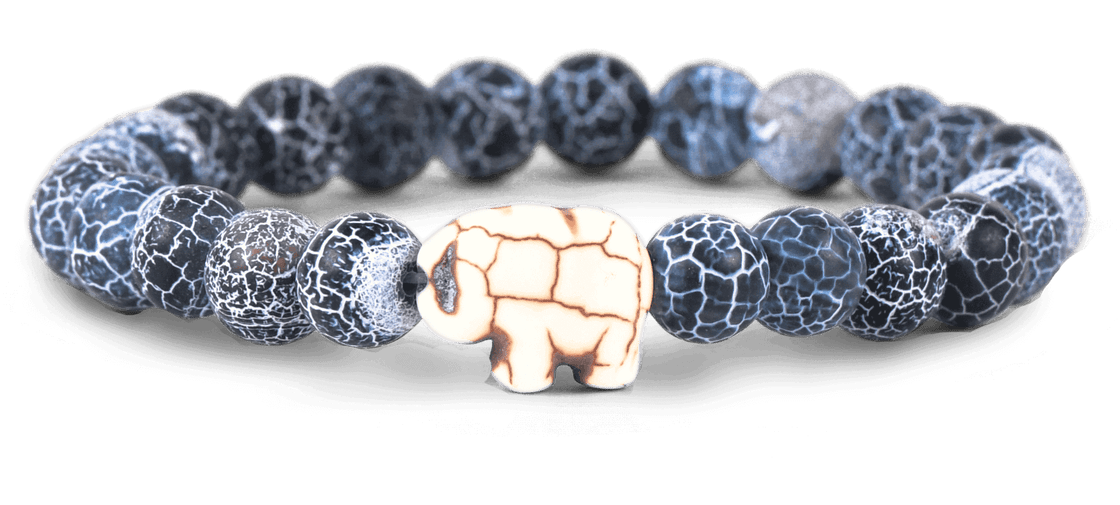
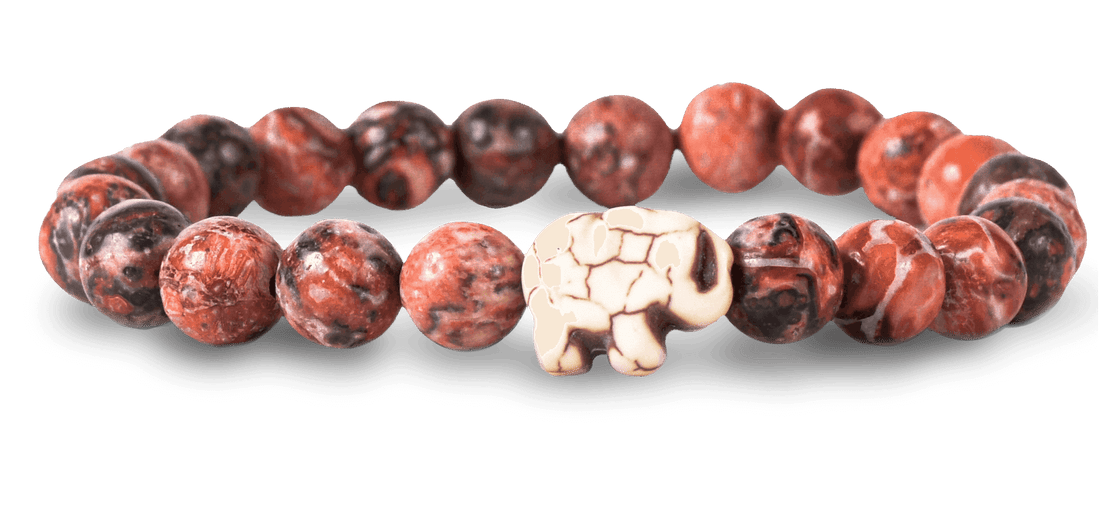
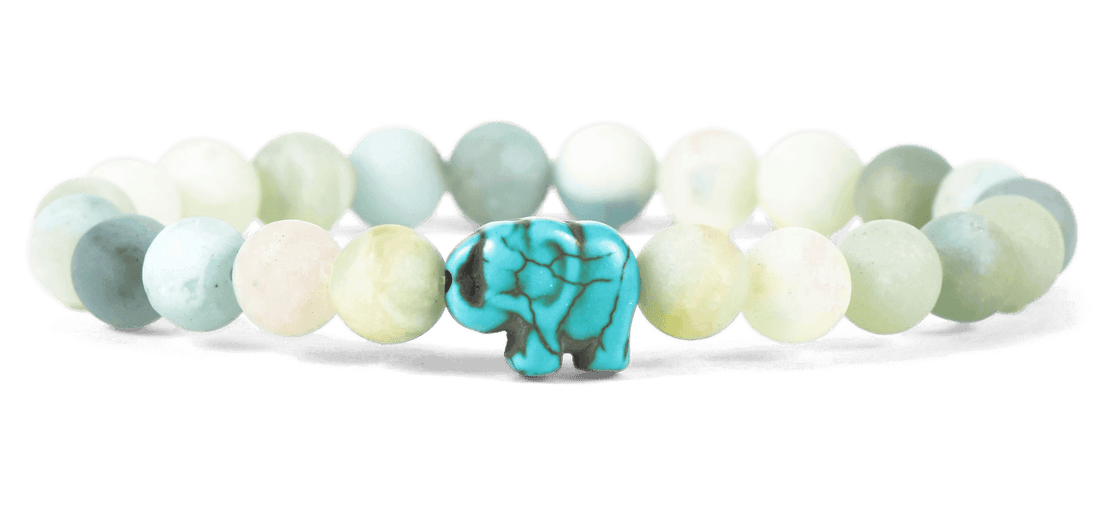
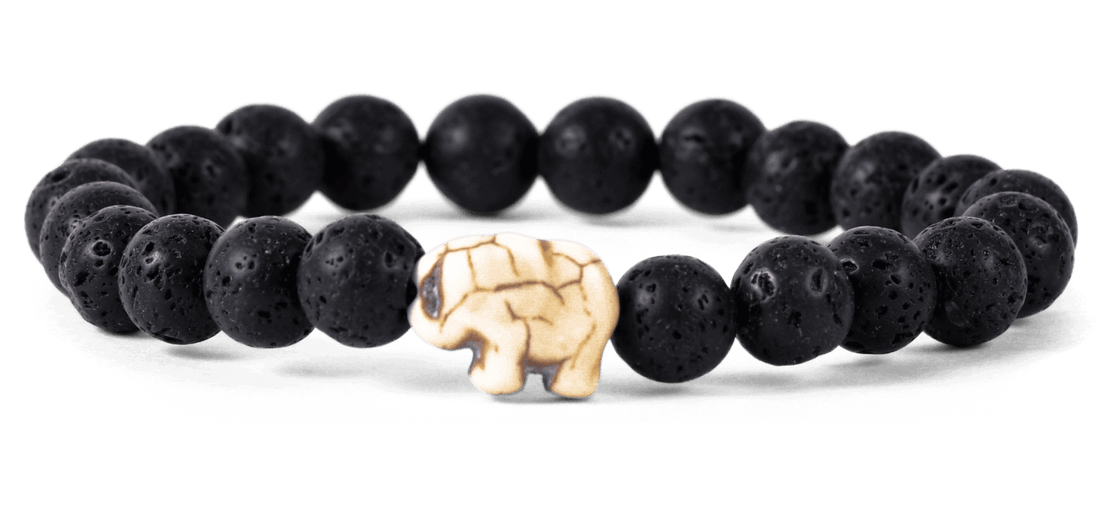
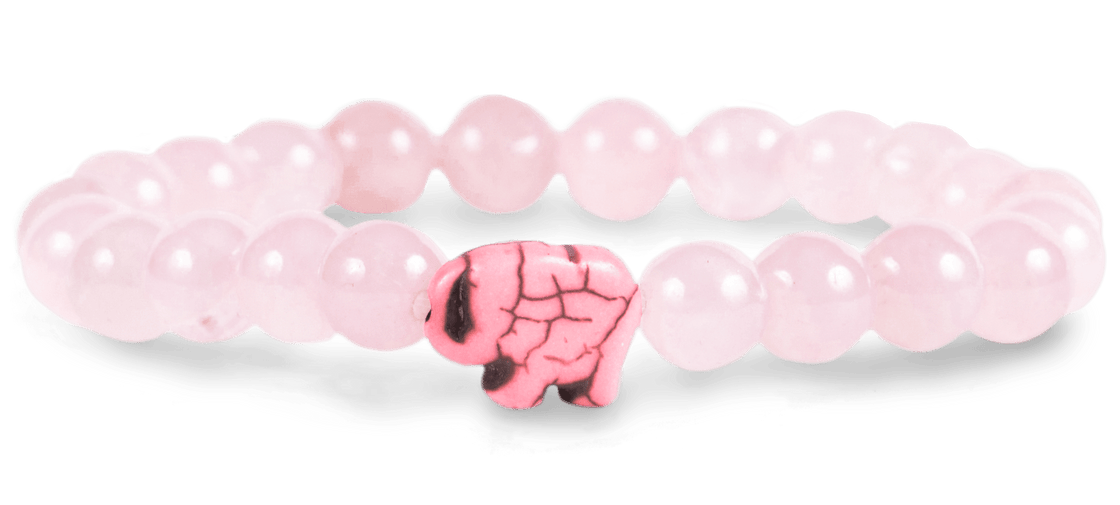
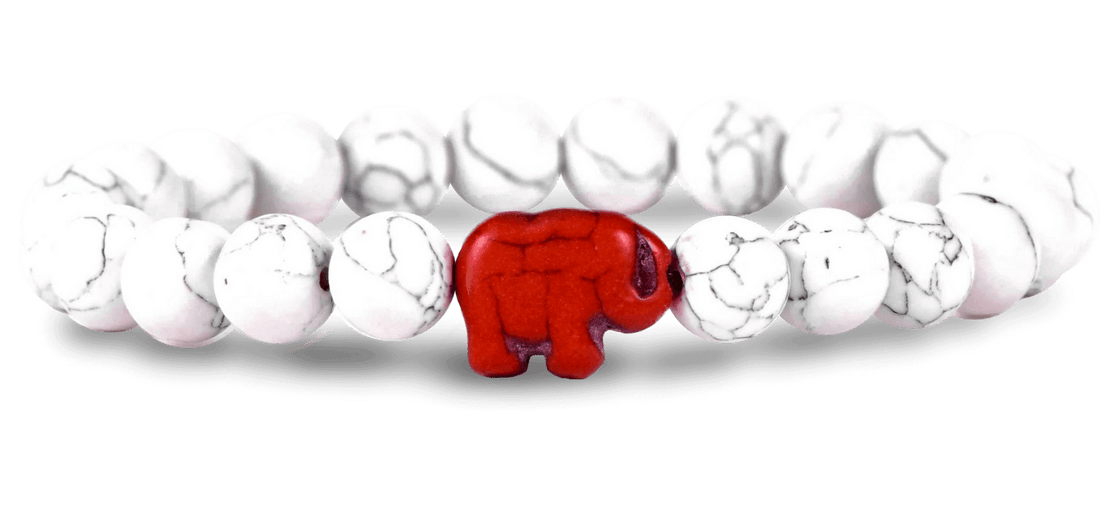
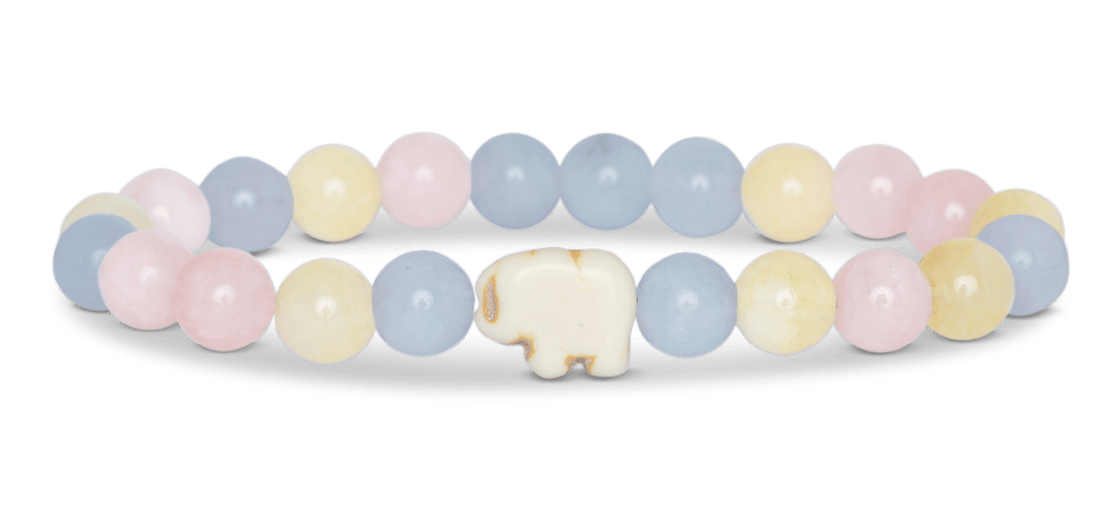
The Expedition Bracelet

Regular price $16.95
Sale price $16.95 Regular price
Keystone
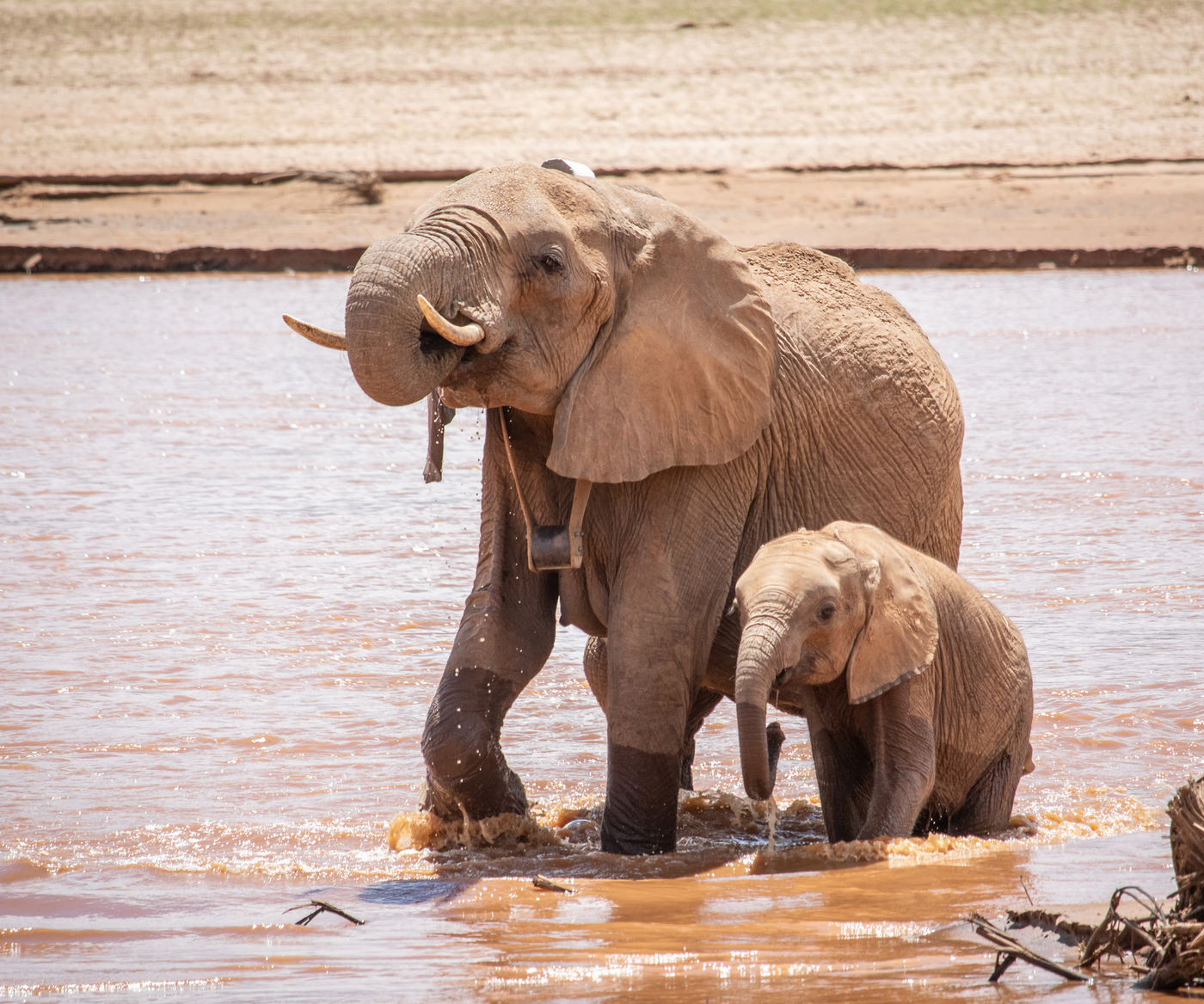
  • Tracked via GPS collarTracked via GPS collar
  • This animal’s safety guarded with the Fahlo Protection Ping™This animal’s safety guarded with the Fahlo Protection Ping™

​Every Fahlo tracking experience includes the Fahlo Protection Ping™. This indicates each animal’s unique path may be live, delayed, or historical based on required safety protocol in accordance with our nonprofit partners.

While the experience of following an animal’s journey remains the same for you, we work behind the scenes with our partners to ensure this experience is presented in a way that keeps the animals safe, one step or splash at a time.

Created in partnership with Save the Elephants, each elephant bracelet unlocks an interactive tracking map and helps Fahlo support their conservation.

  • If you add 3 or more, you get free shipping!If you add 3 or more, you get free shipping!
  • Fahlo donates 10% of all profits to our nonprofit partnersFahlo donates 10% of all profits to our nonprofit partners
  • Sizing: Elastic, one size fits mostSizing: Elastic, one size fits most

Hand-strung and one of a kind: Because our bracelets are made from natural crushed stone or glass, slight variations in bead color and pattern make each one totally unique!

*Free shipping may not be valid with promotional discounts unless otherwise stated. For more details visit the FAQ page.

  • SSL Secure CheckoutSSL Secure Checkout
  • Worldwide ShippingWorldwide Shipping
  • Dedicated Customer ServiceDedicated Customer Service
  • 100% Happiness Guarantee100% Happiness Guarantee
Tracking Real Animals
Out In The Wild
One Small Bracelet.
One Big Mission.
A portion of all proceeds are donated to Save the Elephants in Kenya, who specializes in elephants research and works to protect wild elephants. Your purchase will help fight ivory poaching, and secure a future for elephants in a rapidly changing world.
Mission Map
How It Works
savannah mandala pattern

Buy a bracelet or plush of your favorite animal species.

savannah mandala pattern 2
savannah mandala pattern 1
fahlo bracelet
fahlo tracking card
fahlo bracelet

You’re now tracking

Timurid

world map background tracking path on world map
map marker
elephant app about content header image elephant app about content body image
elephant app updates content header image elephant app updates content body image
savannah app rewards - background image
savannah app rewards - levels image
savannah app rewards - header image
The Expedition Bracelet
How You're Helping
Tracking provided in partnership with

Save The Elephants (STE) gathers insight into elephant behavior, intelligence, and long-distance movements while fostering peaceful human-elephant coexistence. Amid ongoing threats of habitat loss and ivory poaching, STE uses the tools and knowledge acquired to set elephants up for long term survival success.

Conservation status

  • EX
  • EW
  • CR
  • EN
    Endangered
  • VU
  • NT
  • LC
  • DD
  • NE
Reviews
Common Questions
common question image

Why are elephants tracked?

Save the Elephants (STE) uses GPS tracking equipment to better understand elephant movements and behavior. As the human population grows across Africa and the landscape gets increasingly crowded, this tracking data is key to defining and protecting elephant habitats and the corridors that link areas used by both elephants and other wildlife. To date, STE has tracked over 900 elephants!

Using this technology, they can also tell when an elephant has become unnaturally mobile—a warning that can indicate an elephant is in trouble. These alerts are issued to wildlife management teams to allow a rapid response and can make the difference between life and death.

STE provides Fahlo with delayed tracking data for security reasons so we’re never giving away an elephant’s live location. Despite this delay, you’ll still receive a near daily update of your elephant’s location.

To learn more about why elephants are tracked, visit our partner Save the Elephants directly at savetheelephants.org.

How are elephants tracked?

“Elephant collars contain a small transmitter, and by using GPS and satellite tracking technology (similar to that used in car navigation systems), Save the Elephants can monitor the location of a collared elephant at regular intervals (every 30–60 minutes). This information plays an important part in defining and protecting elephant corridors. We later plot these coordinates on a map so you can see where your Fahlo elephant has traveled!” - Save the Elephants

To learn more, visit our partner directly at savetheelephants.org.

Does tracking harm the elephants?

“No, the collar does not harm the elephant. The collar is very light and sits loosely around the neck like a pendant would on us. Collaring is carefully performed by an experienced team. First, an elephant is located by a ground team or from the air, then a vet will prepare and shoot a dart containing anesthetic. A collar is fitted as quickly and safely as possible before the vet helps revive the elephant in minutes.” - Save the Elephants

To learn more, visit our partner directly at savetheelephants.org.

How smart is an elephant?

With the largest brain of any land animal, elephants are incredibly smart animals. They can use tools, understand human body language and mimic human voices, and show empathy with other animals and each other, as well as demonstrating astounding capabilities to create and store memories.

Why are elephants going extinct?

The greatest factors contributing to elephant extinction are all related to human activity. The sharing of land in Asia and Africa has created conflict between humans and elephants, making elephants targets for humans. The most harmful activities include poaching and habitat destruction.

What are elephants scared of?

Surprisingly, elephants are most scared of two very small creatures: bees and mice. Bees scare them because they tend to swarm. While one bee sting is relatively harmless, hundreds of stings at once can be very painful. Mice are frightening because they tend to startle elephants, due to their small size.

What does an elephant bracelet mean?

The elephant is symbolic of good luck. For this reason, wearing elephant jewelry is thought to bring the wearer good luck, and gifting elephant jewelry is a way of wishing someone good luck and good fortune.

    • Save the Elephants (STE) uses GPS tracking equipment to better understand elephant movements and behavior. As the human population grows across Africa and the landscape gets increasingly crowded, this tracking data is key to defining and protecting elephant habitats and the corridors that link areas used by both elephants and other wildlife. To date, STE has tracked over 900 elephants!

      Using this technology, they can also tell when an elephant has become unnaturally mobile—a warning that can indicate an elephant is in trouble. These alerts are issued to wildlife management teams to allow a rapid response and can make the difference between life and death.

      STE provides Fahlo with delayed tracking data for security reasons so we’re never giving away an elephant’s live location. Despite this delay, you’ll still receive a near daily update of your elephant’s location.

      To learn more about why elephants are tracked, visit our partner Save the Elephants directly at savetheelephants.org.

    • “Elephant collars contain a small transmitter, and by using GPS and satellite tracking technology (similar to that used in car navigation systems), Save the Elephants can monitor the location of a collared elephant at regular intervals (every 30–60 minutes). This information plays an important part in defining and protecting elephant corridors. We later plot these coordinates on a map so you can see where your Fahlo elephant has traveled!” - Save the Elephants

      To learn more, visit our partner directly at savetheelephants.org.

    • “No, the collar does not harm the elephant. The collar is very light and sits loosely around the neck like a pendant would on us. Collaring is carefully performed by an experienced team. First, an elephant is located by a ground team or from the air, then a vet will prepare and shoot a dart containing anesthetic. A collar is fitted as quickly and safely as possible before the vet helps revive the elephant in minutes.” - Save the Elephants

      To learn more, visit our partner directly at savetheelephants.org.

    • With the largest brain of any land animal, elephants are incredibly smart animals. They can use tools, understand human body language and mimic human voices, and show empathy with other animals and each other, as well as demonstrating astounding capabilities to create and store memories.

    • The greatest factors contributing to elephant extinction are all related to human activity. The sharing of land in Asia and Africa has created conflict between humans and elephants, making elephants targets for humans. The most harmful activities include poaching and habitat destruction.

    • Surprisingly, elephants are most scared of two very small creatures: bees and mice. Bees scare them because they tend to swarm. While one bee sting is relatively harmless, hundreds of stings at once can be very painful. Mice are frightening because they tend to startle elephants, due to their small size.

    • The elephant is symbolic of good luck. For this reason, wearing elephant jewelry is thought to bring the wearer good luck, and gifting elephant jewelry is a way of wishing someone good luck and good fortune.

App download background image
App download devices image

Get the full tracking experience

When you track, we give back. Each purchase unlocks a real animal’s path on an interactive 3D map, with exciting reveals, epic journeys, and a global impact on vital conservation efforts. Download the Fahlo app and collect them all!