
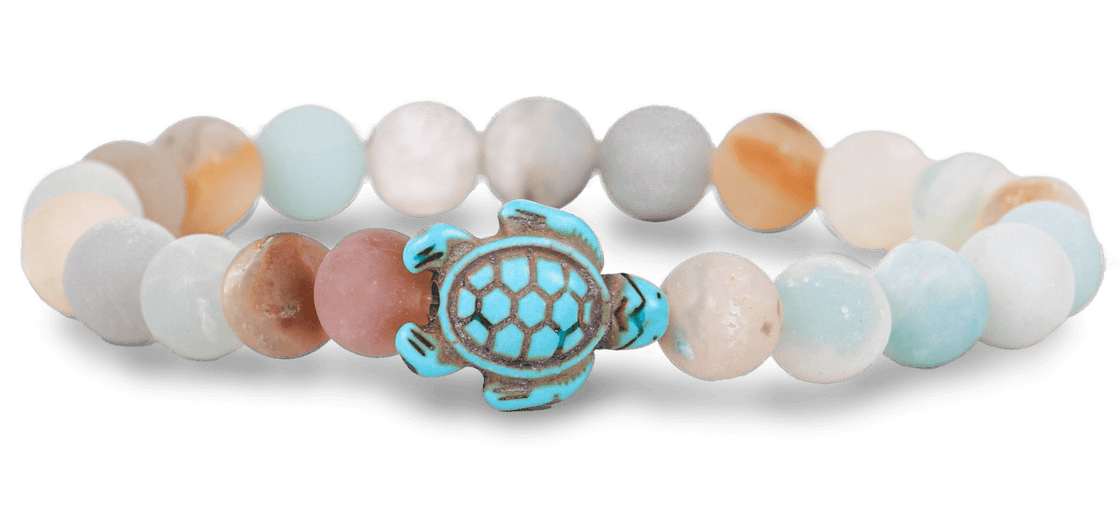
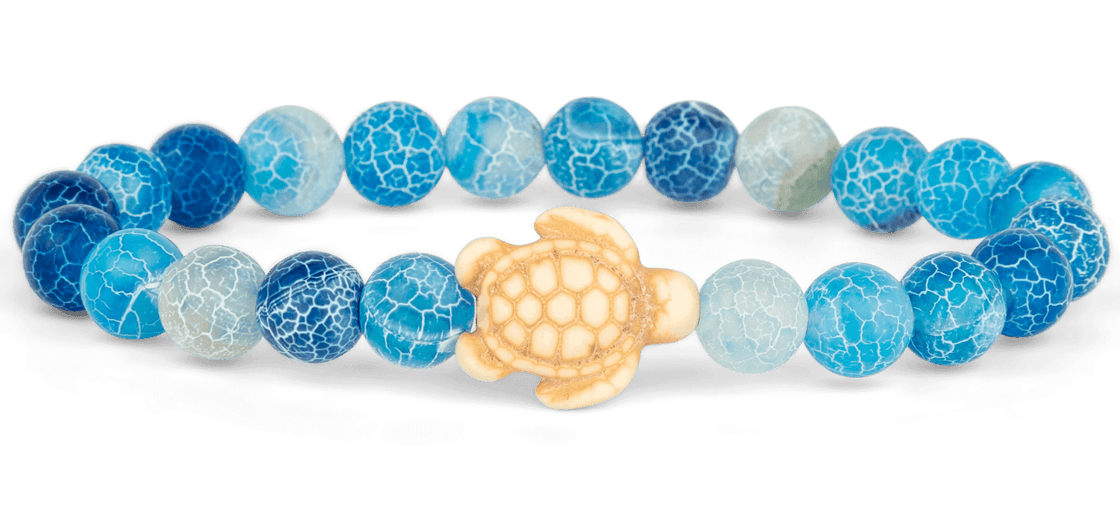
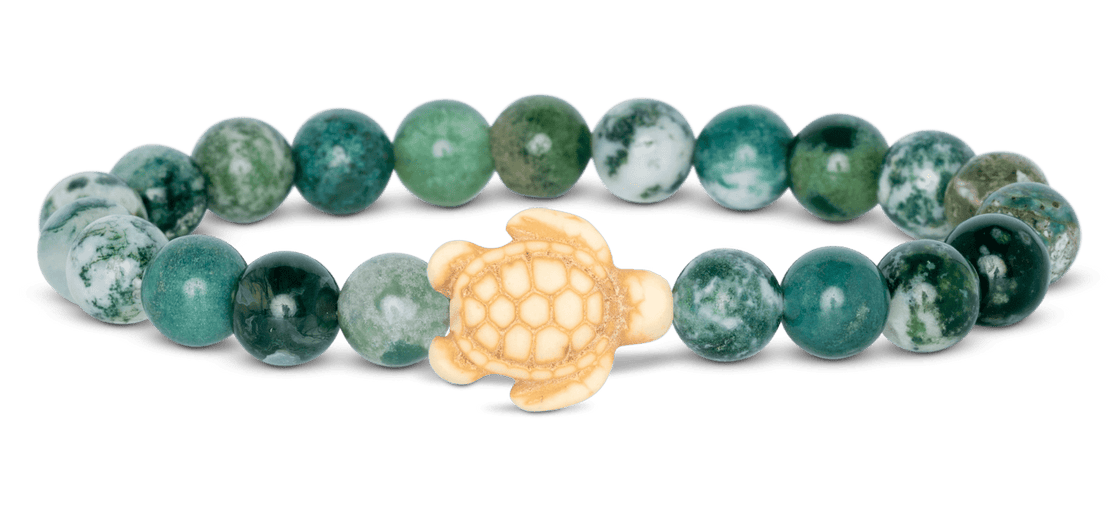
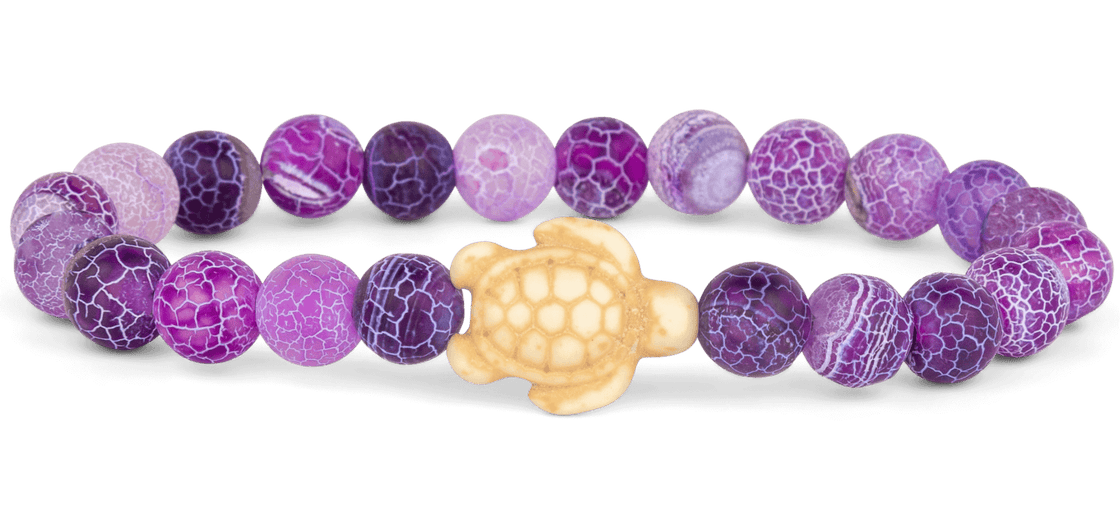
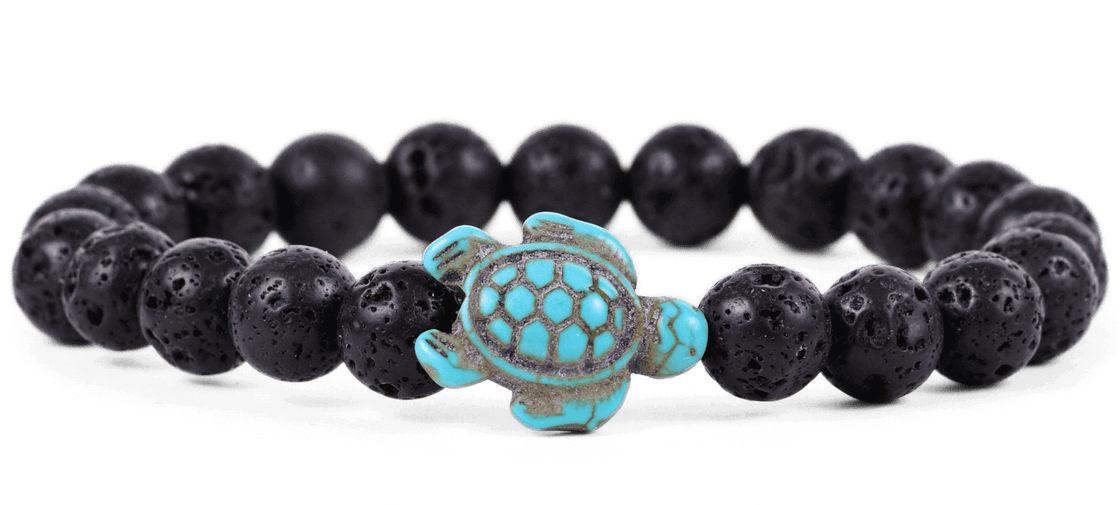
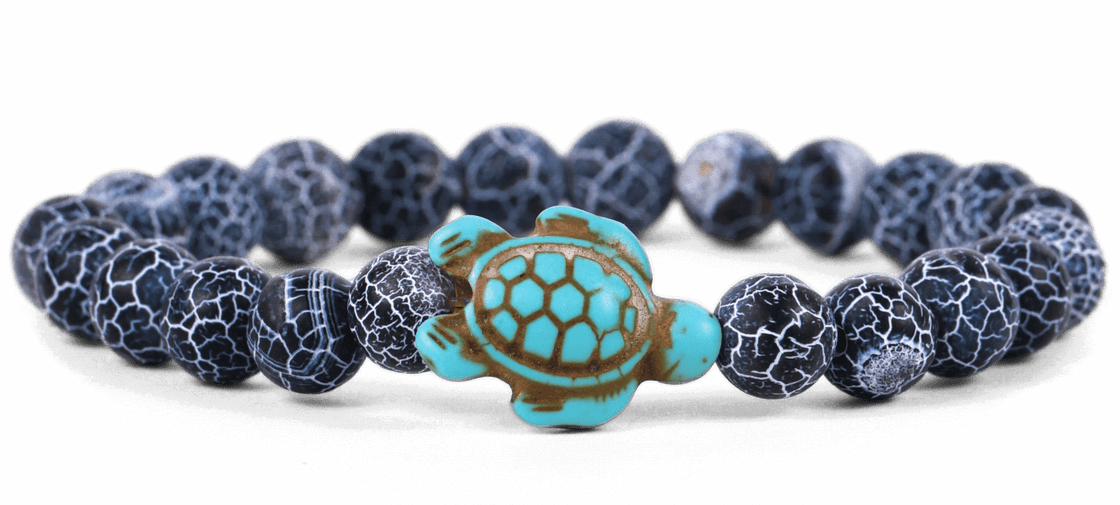
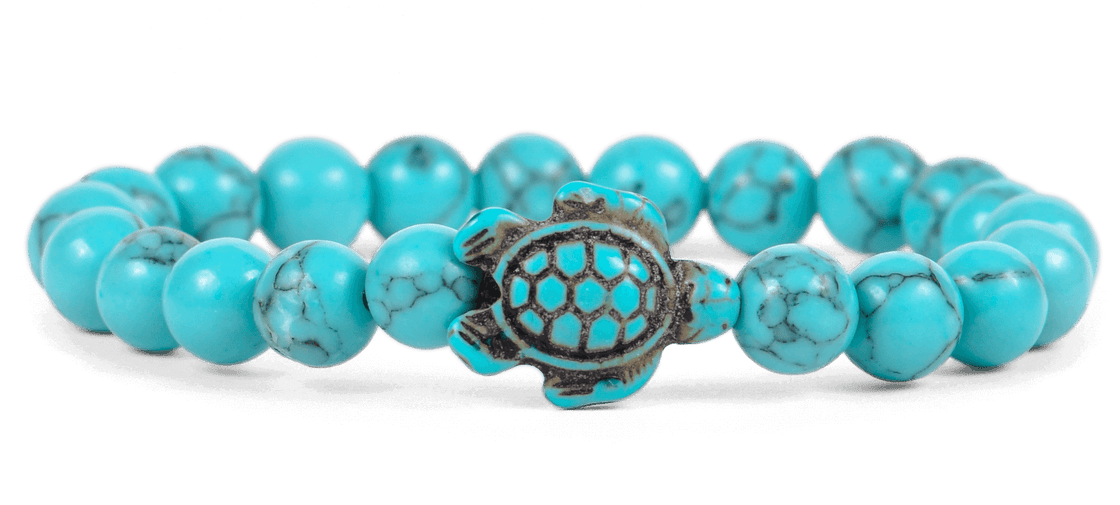
The Journey Bracelet

Regular price $16.95
Sale price $16.95 Regular price
Sky Stone
  • Tracked via SPOT (Smart Position and Temperature) tagTracked via SPOT (Smart Position and Temperature) tag
  • This animal’s safety guarded with the Fahlo Protection Ping™This animal’s safety guarded with the Fahlo Protection Ping™

Every Fahlo tracking experience includes the Fahlo Protection Ping™. This indicates each animal’s unique path may be live, delayed, or historical based on required safety protocol in accordance with our nonprofit partners.

While the experience of following an animal’s journey remains the same for you, we work behind the scenes with our partners to ensure this experience is presented in a way that keeps the animals safe, one step or splash at a time.

Created in partnership with Sea Turtle Conservancy, each sea turtle tracking bracelet unlocks an interactive map and helps Fahlo support their conservation.

  • Add 3 or more and get free shipping!Add 3 or more and get free shipping!
  • Fahlo donates 10% of all profits to our nonprofit partnersFahlo donates 10% of all profits to our nonprofit partners
  • Sizing: Elastic, one size fits mostSizing: Elastic, one size fits most

Hand-strung and one of a kind: Because our bracelets are made from natural crushed stone or glass, slight variations in bead color and pattern make each one totally unique!

*Free shipping may not be valid with promotional discounts unless otherwise stated. For more details visit the FAQ page.

  • SSL Secure CheckoutSSL Secure Checkout
  • Worldwide ShippingWorldwide Shipping
  • Dedicated Customer ServiceDedicated Customer Service
  • 100% Happiness Guarantee100% Happiness Guarantee
Tracking Real Animals
Out In The Wild
One Small Bracelet.
One Big Mission.
A portion of all proceeds are donated to Sea Turtle Conservancy, who help raise awareness and provide protection for sea turtles around the globe! Your contribution will help the Sea Turtle Conservancy achieve the vision of a world where every Sea Turtle can live free from harm.
Mission Map
How It Works
ocean mandala pattern

Buy a bracelet or plush of your favorite animal species.

ocean mandala pattern 2
ocean mandala pattern 1
fahlo bracelet
fahlo tracking card
fahlo bracelet

You’re now tracking

Robin

world map background tracking path on world map
map marker
turtle app about content header image turtle app about content body image
turtle app updates content header image turtle app updates content body image
ocean app rewards - background image
ocean app rewards - levels image
ocean app rewards - header image
Tracking provided in partnership with

Engineers of the world’s most successful sea turtle conservation and recovery programs, the Sea Turtle Conservancy has been protecting these ancient creatures for over 60 years. Ongoing research, education, and advocacy for sea turtles helps ensure their survival and that of our planet’s marine and coastal ecosystems.

Conservation status

  • EX
  • EW
  • CR
  • Endangered
    EN
  • VU
  • NT
  • LC
  • DD
  • NE
Reviews
Common Questions
common question image

Why are sea turtles tracked?

“Since most research conducted on marine turtles has been carried out on nesting beaches and well over 90% of a sea turtle’s life is spent in the water—feeding, mating, migrating and doing whatever else a sea turtle does when no one is watching, we are missing important information that can help us better protect sea turtles. In particular, to adequately protect sea turtles in all their habitats, we must learn more about their migratory patterns, their behavior at sea, where their marine habitats are located, how the turtles use these different habitats, and the migration routes turtles travel between habitats. Satellite telemetry (following an object on the earth with the use of orbiting satellites) has advanced to the stage of allowing researchers to track turtles in the open ocean after attaching a Platform Terminal Transmitter (PTT) to the back of a sea turtle.” – Sea Turtle Conservancy

To learn more about why sea turtles are tracked, visit our partner directly at conserveturtles.org.

How are sea turtles tracked?

“There are currently three common methods to attach a transmitter to a sea turtle. Two methods are for all sea turtles, except leatherbacks. The first of these methods uses fiberglass and resin to create a hard cover that goes over the transmitter and attaches to the shell. The second method uses a non-heat epoxy to “glue” the bottom of the transmitter to the turtle’s shell. Because of their unique shell, neither of these methods can be used for a leatherback. Instead, the transmitter is attached directly through the dorsal ridge.” – Sea Turtle Conservancy

To learn more about how sea turtles are tracked, visit our partner directly at conserveturtles.org.

Does tracking harm the sea turtles?

“Proper attachment methods are designed not to harm the sea turtle, damage its shell or increase the turtle’s chances of being tangled. While researchers continue to modify and develop new techniques to reduce any impacts to sea turtles, having a transmitter attached does create some additional drag while the turtle is swimming. Researchers have recorded females returning to successfully nest after having a transmitter attached, which suggests that having a transmitter does not impact a sea turtle’s migration, feeding and mating behavior.” – Sea Turtle Conservancy

To learn more, visit our partner directly at conserveturtles.org.

Are sea turtle tracking bracelets legit?

It is important to know that only Fahlo has a real partnership for tracking bracelets with the Sea Turtle Conservancy! There are many scam copy companies to be aware of who do not use real sea turtle tracking data, or that use data illegally.

How long do sea turtles live?

Sea turtles have a life expectancy comparable to humans. This can be anywhere between 50 and 100 years! Interestingly, female turtles can continue to lay eggs and nest up until they are around 80 years old.

Do sea turtles have 3 hearts?

Sea turtles have only one heart, which contains three chambers. This is common for most reptiles. However, scientists are beginning to observe the formation of a septum in one of the chambers that may soon divide it, creating a fourth chamber.

How many sea turtles are left?

Overall, there are an estimated 6.5 million sea turtles left in the wild. The population numbers and threats of extinction vary from species to species, with some in little danger and others facing extinction within the next twenty years.

    • “Since most research conducted on marine turtles has been carried out on nesting beaches and well over 90% of a sea turtle’s life is spent in the water—feeding, mating, migrating and doing whatever else a sea turtle does when no one is watching, we are missing important information that can help us better protect sea turtles. In particular, to adequately protect sea turtles in all their habitats, we must learn more about their migratory patterns, their behavior at sea, where their marine habitats are located, how the turtles use these different habitats, and the migration routes turtles travel between habitats. Satellite telemetry (following an object on the earth with the use of orbiting satellites) has advanced to the stage of allowing researchers to track turtles in the open ocean after attaching a Platform Terminal Transmitter (PTT) to the back of a sea turtle.” – Sea Turtle Conservancy

      To learn more about why sea turtles are tracked, visit our partner directly at conserveturtles.org.

    • “There are currently three common methods to attach a transmitter to a sea turtle. Two methods are for all sea turtles, except leatherbacks. The first of these methods uses fiberglass and resin to create a hard cover that goes over the transmitter and attaches to the shell. The second method uses a non-heat epoxy to “glue” the bottom of the transmitter to the turtle’s shell. Because of their unique shell, neither of these methods can be used for a leatherback. Instead, the transmitter is attached directly through the dorsal ridge.” – Sea Turtle Conservancy

      To learn more about how sea turtles are tracked, visit our partner directly at conserveturtles.org.

    • “Proper attachment methods are designed not to harm the sea turtle, damage its shell or increase the turtle’s chances of being tangled. While researchers continue to modify and develop new techniques to reduce any impacts to sea turtles, having a transmitter attached does create some additional drag while the turtle is swimming. Researchers have recorded females returning to successfully nest after having a transmitter attached, which suggests that having a transmitter does not impact a sea turtle’s migration, feeding and mating behavior.” – Sea Turtle Conservancy

      To learn more, visit our partner directly at conserveturtles.org.

    • It is important to know that only Fahlo has a real partnership for tracking bracelets with the Sea Turtle Conservancy! There are many scam copy companies to be aware of who do not use real sea turtle tracking data, or that use data illegally.

    • Sea turtles have a life expectancy comparable to humans. This can be anywhere between 50 and 100 years! Interestingly, female turtles can continue to lay eggs and nest up until they are around 80 years old.

    • Sea turtles have only one heart, which contains three chambers. This is common for most reptiles. However, scientists are beginning to observe the formation of a septum in one of the chambers that may soon divide it, creating a fourth chamber.

    • Overall, there are an estimated 6.5 million sea turtles left in the wild. The population numbers and threats of extinction vary from species to species, with some in little danger and others facing extinction within the next twenty years.

App download background image
App download devices image

Get the full tracking experience

When you track, we give back. Each purchase unlocks a real animal’s path on an interactive 3D map, with exciting reveals, epic journeys, and a global impact on vital conservation efforts. Download the Fahlo app and collect them all!