

Shipping was very fast! The plushie feels like it's very good quality and it was very fast and easy to set up the tracking feature with my whale shark Raja!

Off Season

Off Season

Off Season

Off Season

Off Season
 Tracked via SPOT (Smart Position and Temperature) tag
 This animal’s safety guarded with the Fahlo Protection Ping™
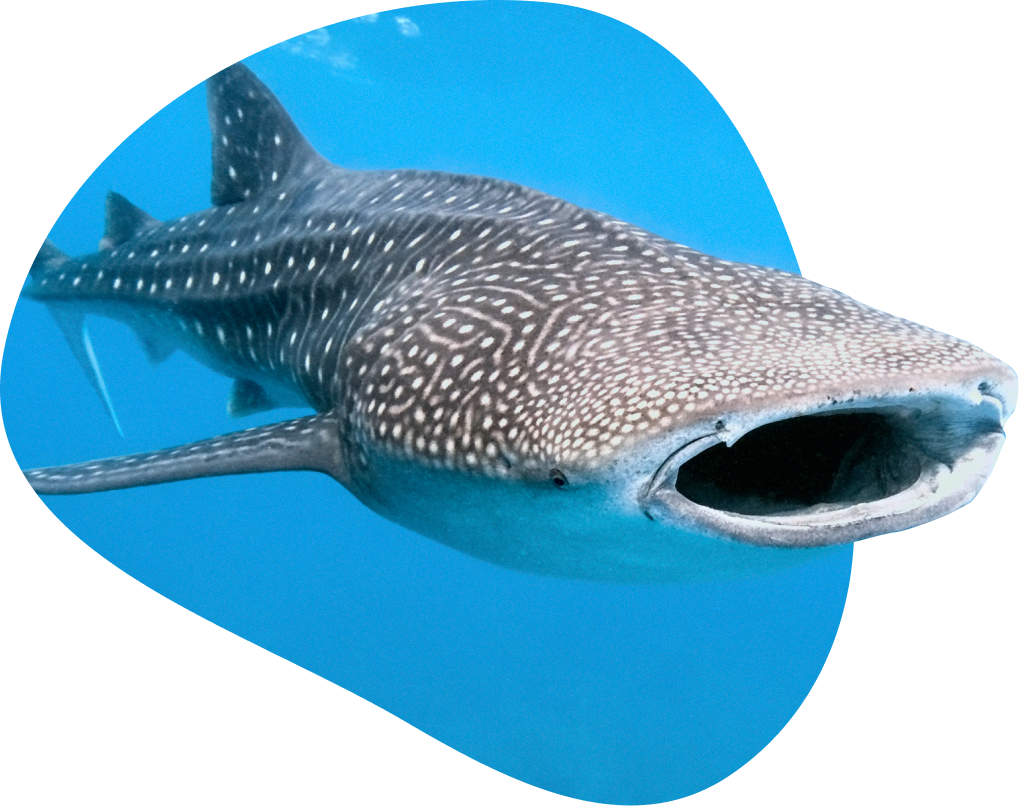
Created in partnership with Georgia Aquarium, each whale shark plush unlocks an interactive tracking map and helps Fahlo support conservation efforts oceanwide.
 Add 2 or more plush for free shipping
 Fahlo donates 10% of all profits to our nonprofit partners
 100% eco-friendly: made from recycled water bottles
 Huggable for all ages
 Size: 20”
 SSL Secure Checkout
 Dedicated Customer Service
 100% Happiness Guarantee


As the only aquarium in the western hemisphere displaying a whale shark, Georgia Aquarium is in a rare position to study these gentle giants up close. Through in-depth research and conservation efforts in the field, they strive to better understand whale shark biology and behavior to champion conservation efforts worldwide.
Conservation status
Overall rating: 5.0 / 5 from 35 reviews.
Shipping was very fast! The plushie feels like it's very good quality and it was very fast and easy to set up the tracking feature with my whale shark Raja!

only have one pic as been put up for xmas gor my daughter! the plush is beautiful shes going to be so happy! so soft, great quality, lovely size and the mission behind it is amazing too! well done fahlo

love my whale shark! hope to study them one day! this plush has made tracking fun and completes my bed perfectly!

Omg I love this toy so much! I sleep with it every night! I love the quality, so fluffy and carefully designed! The mouth even opens! I love my whale shark, Chuck, so much 🦈❤️
This is amazingly soft!!!
I absolutely love whale sharks so I just had to grab this plush. It's so soft and pretty just like the picture.
Very soft, I love it!
I got this plush for my little one. He loves his whale shark and being able to track it and see where it swims to.
LOVE MY WHALE SHARK 💙 perfect size and soft
Awesome plush!
Bought this as a Christmas present for my granddaughter who loves sea life as much as her grandparents.
Great to support this wonderful animal by buying the beautiful plush.
I love tracking my whaleshark, and when I saw the plush was now available, I had to track another one. It's so much fun. The plush is super cute and soft.
Great quality and love it.
I bought it for my friends bday and it’s SOOOOOO soft I love it sm im buying one for me and my boyfriend soon
I waited for this to come back in stock. It's very cute, soft and cuddly. I enjoy following "my" whale Shark, Raja.
Cute
Love love
It is of good quality and very soft!
Love this plush!
The quest plush is adorable and soft, the perfect plush ambassador for the whale shark. Would highly recommend, very huggable!!
Super soft and cute
My son and I were so excited when the whale shark was back in stock! It’s soft and absolutely adorable! And now we have two whale sharks to track!
Fast shipping and extremely soft plush!
It was beautiful
So soft and cute
It means a lot to me because I want to get into marine biology and study whale sharks in particular
Truly beautiful creature. Very cute plushie! Really love the details and material of this plush. Love all there is to learn about them and help their population!
So cute plus i can track a real whale shark and giraffe and hammer head shark and tiger with the app you can sometimes get free ones but you have to have at least one animal
Super cute and WAYYY softer than anticipated it’s amazing
Love it!
I love this SO much! Super nice quality, and SO fluffy and soft! The mouth opens too, and half my phone will fit in there! I love this! My whale shark, Chuck, is SO cute! ❤️❤️❤️🦈🦈🦈
Being able to track a Whale Shark while having a plushie is just perfect. It’s just too adorable and I love seeing all of the updates
Sooo cute! Will be buying more!
This is definitely a cuddly reminder of a big but gentle shark.
6,000,000+
Users worldwide


When you track, we give back. Each purchase unlocks a real animal’s path on an interactive 3D map, with exciting reveals, epic journeys, and a global impact on vital conservation efforts. Download the Fahlo app and collect them all!

