

.

Off Season

Off Season

Off Season

Off Season

Off Season

Off Season
 Tracked via VHF (Very High Frequency) collar
 This animal’s safety guarded with the Fahlo Protection Ping™
Just like koalas, this plush is all about naps between new locations! Created in partnership with San Diego Zoo Wildlife Alliance, each Lounge Plush unlocks a real koala's tracking map and helps us support their conservation in Australia.
 Add 2 or more plush for free shipping
 Fahlo donates 10% of all profits to our nonprofit partners
 Stuffing made from recycled water bottles
 Huggable for all ages
 Size: 13"
 SSL Secure Checkout
 Dedicated Customer Service
 100% Happiness Guarantee

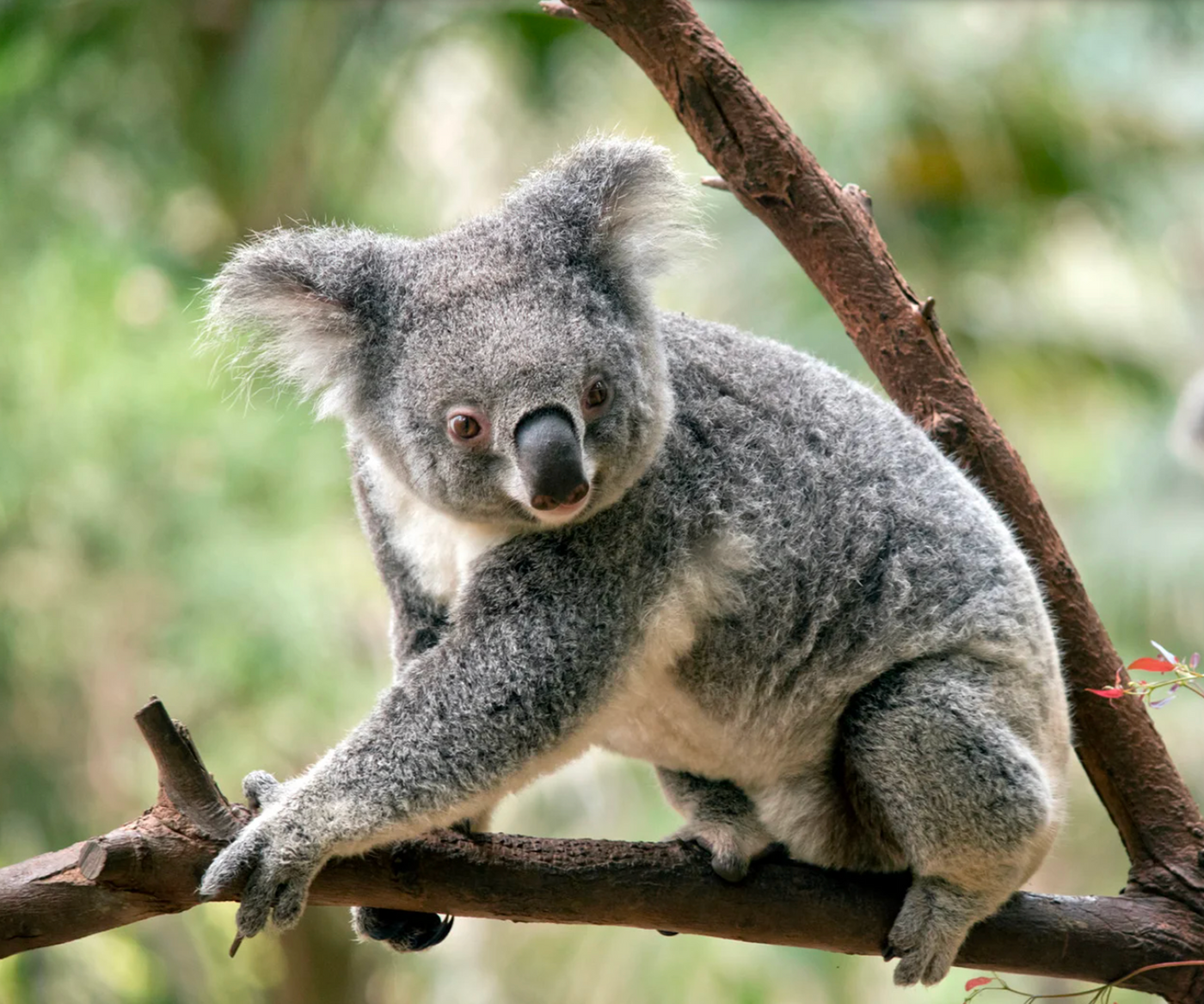

An international, nonprofit conservation organization, San Diego Zoo Wildlife Alliance is committed to inspiring passion for nature and creating a world where all life thrives. By integrating wildlife health, science, and education to develop sustainable conservation solutions, they help protect and restore wildlife populations around the world—including koalas.
Conservation status
Overall rating: 4.9 / 5 from 36 reviews.
.
The plush is so soft and cute. I love tracking my koala.
High Quality - love them for the Grandkids- makes Christmas special and a fun theme to work with.
I bought this koala & an elephant for Christmas 2026. I can't wait to see their faces!
My child loves following Ms. X. 😊😊
Softest plush(/5) ordered yet. Cuddle all day and night. The different textures are great. She's perfect.🇦🇺🐨
I 💕💕💕💕💕 the 🐨 plushie because it's soft and cuddly and it's my favorite animal in the 🌎!!!! I saw some koala 🐨 when I went to Busch Gardens Tampa in 1997. I'm hoping to get a chance to have my picture taken with one if and when I go to Florida sometime this year. Maybe I'll get a chance to hold one as well.
Absolutely adorable and so soft my friend loved it!
It's very soft, my daughter loves it, she even named it after her animal she's tracking. And sleeps with Kellie every night.
It was allot bigger then i expected but it was adorable!
We’ve decided to collect every single plush you have! They sleep on our bed with us, and our cats. It’s the Best! We constantly look at Fahlo app, and have given the names to each of the plushes. Much Love!
I have been obsessed with Koalas for the longest time, so I thought I might as well buy a Koala plush and track one at the same time
My daughter lovers her fahlo stuffies! She has at least half a dozen now and asked for updates on them daily! These things are super soft too
So soft, so adorable, supports animal (koala) conservation! Must get more!!
This is a great one to hug!
I absolutely love my my koala 🥰🥰🥰
Lovely cute and cuddly. Already have a polar bear tracking bracelet and love it so went for Koala this time. Niece loves being able to see where her animals are! Highly recommend
I love it. It’s terrific.
I love this its so soft
So cute and i love the fahlo detailing
So cute. My granddaughter loves Koalas. Great cause!!
Love these just wish I could have gotten the animals I really wanted 😔 Great for children and adults.
Super soft and cute…granddaughter will love tracking it!!
So cute and so soft, love that My daughter can track an animal and cuddle with the stuffed one
This is a gift for my niece. She already has a wolf.
Hes so cute and soft and he has a little weight to him!
Oh my, how cute is this KOALA! Have not found out the name yet. It is a lot cuter in person than the picture shows! A nice size & very lightweight. A definite recommend!
Lovely cuddly Koala
Super soft it is really great to see how much the koala travels
This is a christmas gift for our daughter but she absolutely loves all her Fahlo Plushies!!! She has about 6 or 7 already and keeps asking for more!!
Well made and soft
Loved it
Awesome granddaughter loves it.
So cute and soft!
So cute and soft
So soft
6,000,000+
Users worldwide


When you track, we give back. Each purchase unlocks a real animal’s path on an interactive 3D map, with exciting reveals, epic journeys, and a global impact on vital conservation efforts. Download the Fahlo app and collect them all!

