

I loved it but it broke within a couple days and I was so sad because I was so happy about that bracelet!!

Off Season

Off Season

Off Season

Off Season

Off Season

Off Season
 Tracked via SPOT (Smart Position and Temperature) tag
 This animal’s safety guarded with the Fahlo Protection Ping™
Hold your breath before diving in! Created in partnership with FIU Marine Mammal Ecology Lab, each bracelet unlocks an interactive tracking map and helps Fahlo support whale conservation around the world.
 If you add 3 or more, you get free shipping!
 Fahlo donates 10% of all profits to our nonprofit partners
 Sizing: Elastic, one size fits most
 SSL Secure Checkout
 Worldwide Shipping
 Dedicated Customer Service
 100% Happiness Guarantee


Choose the animal you want to track!
Scan the QR code on the tracking card included with your order.
Meet your animal and let the adventure begin.
Receive photos, videos, and updates along the way.
Track species from all over the world, and level up to earn exclusive rewards.


You’re now tracking
Holger


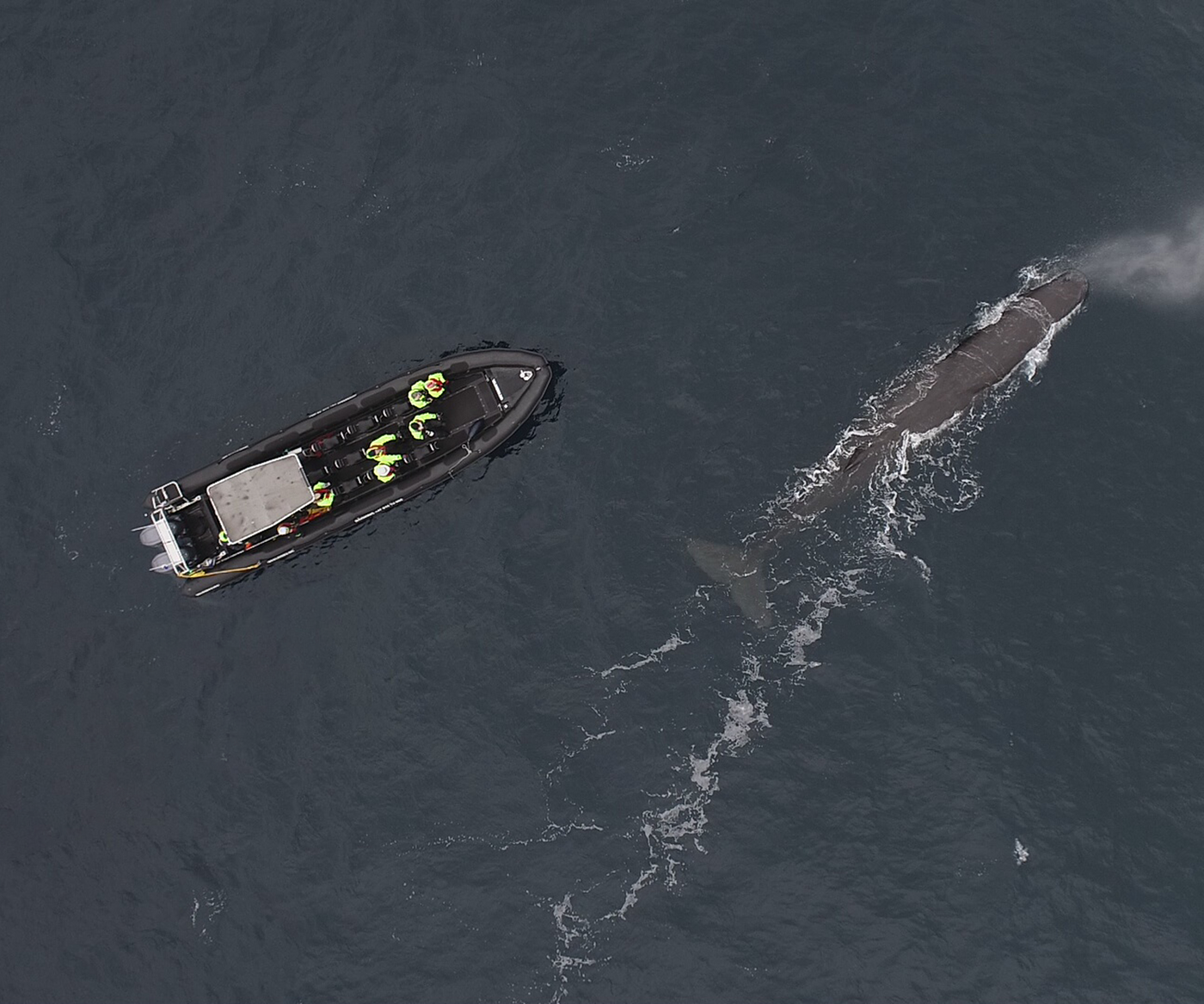

The FIU Marine Conservation Ecology Lab makes waves in research on the ecology, behavior, and conservation of ocean megafauna, including dolphins and whales. By combating threats like bycatch, overfishing, habitat destruction, and climate change, researchers aim to safeguard a future for the ocean’s most iconic residents.
Conservation status
Overall rating: 4.7 / 5 from 276 reviews.
I loved it but it broke within a couple days and I was so sad because I was so happy about that bracelet!!

Love these bracelets, and getting to track my whale Echo.

Lovely bracelet & love following Oslo the Sperm Whale 🐳

Love the bracelets and love tracking my animals. I just purchased two more, and in September I’m purchasing another one for my class (1st and 2nd grade) to track and research.

It really means a lot to be able to donate and put efforts into our animal conservation and bring awareness of why so many animals are endangered or critically endangered due to poaching habitat loss climate change these are real real issues. So for me being able to purchase a beautiful bracelet and then get to show it off I’m also helping spread the word, hoping that others will follow suit and purchase bracelets on their own.

Very cute!

I absolutely love these bracelets! I’ve gotten both the hammerhead, and manatee one and decided to buy a few more! Among the whale one I have bought a shark and Whale Shark bracelet as well! These are fun if you love tracking an animal of your own and learning more about them! Surfs out! 🦈💙

So cute...I love this bracelet.

Nice color. It comfotable wearing and it is fun to track the animals.

Thank you

I sent to a friend that loves whales!🐳

Love this company, love the quality of all the products and love being able to follow all my new friends!! Keep it up!

Fast delivery and looks amazing! I bought it for a friend and she is over the moon happy with it. Would definitely recommend.

Absolutely love the whale bracelet! Made of natural stone and the animal bead looks cute

I loved the colors on this bracelet! Loved the light color scheme!
❤️❤️❤️❤️❤️
The bracelet is so cute and I love being able to support animal conservation!
So cute! All the bracelets I have from Fahlo are super fun!
Love the different shades of purple in this beautiful bracelet
I really love this bracelet everyrhing about it. I also really love my card and the app. Love the whales and all I can learn about them. ♡
Love Odysseus
I
Whales are big beautiful gentle giants.
So cute!!! I love my little shark bracelet
Great experience for this one
Tracking an animal is so fun! Definitely recommend
I like both my bracelets very much, I ordered more, but now there seems to be an issue with delivery. The app works very well so far, I get updated on movements and the information they provide is cool.
Great colors on the bracelets and fun tracking all the animals helping to support.
Following Oslo the wale travel over great distansen is super cool!
Love these bracelets so much! So fun tracking the animals! They’re like my pets!
I genuinely appreciate all that Fahlo and their partnerships do for animal conservation. My bracelet came quickly and I was able to start tracking my whale immediately. I look forward to the content and information shared about each of my animals. Keep up the great work!!!
Great
My daughter loves these bracelets so much and it’s such a good experience too!!
My granddaughters got me interested in these bracelets. Absolutely love tracking Oslo.
Great company. And bracelets are not only good looking but also the app allows tracking of the particular animal you are sent.
I’m worried that the bracelet will break bc the string doesn’t seem too sturdy. If it breaks do we get a new one? I’ve purchased three so far.
I started tracking Steinar right away. He was tagged off Sweden in March, and has since traveled over 7,200 miles. He came down to the Caribbean for mating season, and it looks he’s now headed back toward Sweden.
I love my bracelet and what it stands for. Fahlo is a great organization with what they do. I am proud to wear my bracelet and share it with everyone.
Love it
I’m very happy with my bracelet but can’t find out how to follow

6,000,000+
Users worldwide


When you track, we give back. Each purchase unlocks a real animal’s path on an interactive 3D map, with exciting reveals, epic journeys, and a global impact on vital conservation efforts. Download the Fahlo app and collect them all!

