
I LOVE my Fahlo bracelets ♥️ I also have a whale shark plush! You got me for life I’ve also been giving them as gifts
Vous possédez un compte ?
Connectez-vous pour payer plus vite.

Sold
Out

Sold
Out

Sold
Out

Sold
Out


 Localisation assurée par collier GPS
 La sécurité de cet animal est protégée par le Fahlo Protection Ping™
REVÉLÉ : le mammifère le plus rapide de la planète ! Créé en partenariat avec le Cheetah Conservation Fund, chaque bracelet de suivi des guépards donne accès à une carte interactive et aide Fahlo à soutenir leur préservation en Namibie.
 Ajoutez 3 bracelets ou plus et profitez de la livraison gratuite !
 Fahlo reverse 10 % de tous ses bénéfices à nos partenaires à but non lucratif.
 Taille : bracelet élastique, taille unique, adapté à la plupart des poignets
 Paiement sécurisé SSL
 Livraison dans le monde entier
 Service client dédié
 Garantie 100 % satisfaction


Choose the animal you want to track!
Scan the QR code on the tracking card included with your order.
Meet your animal and let the adventure begin.
Receive photos, videos, and updates along the way.
Track species from all over the world, and level up to earn exclusive rewards.


You’re now tracking
Zora


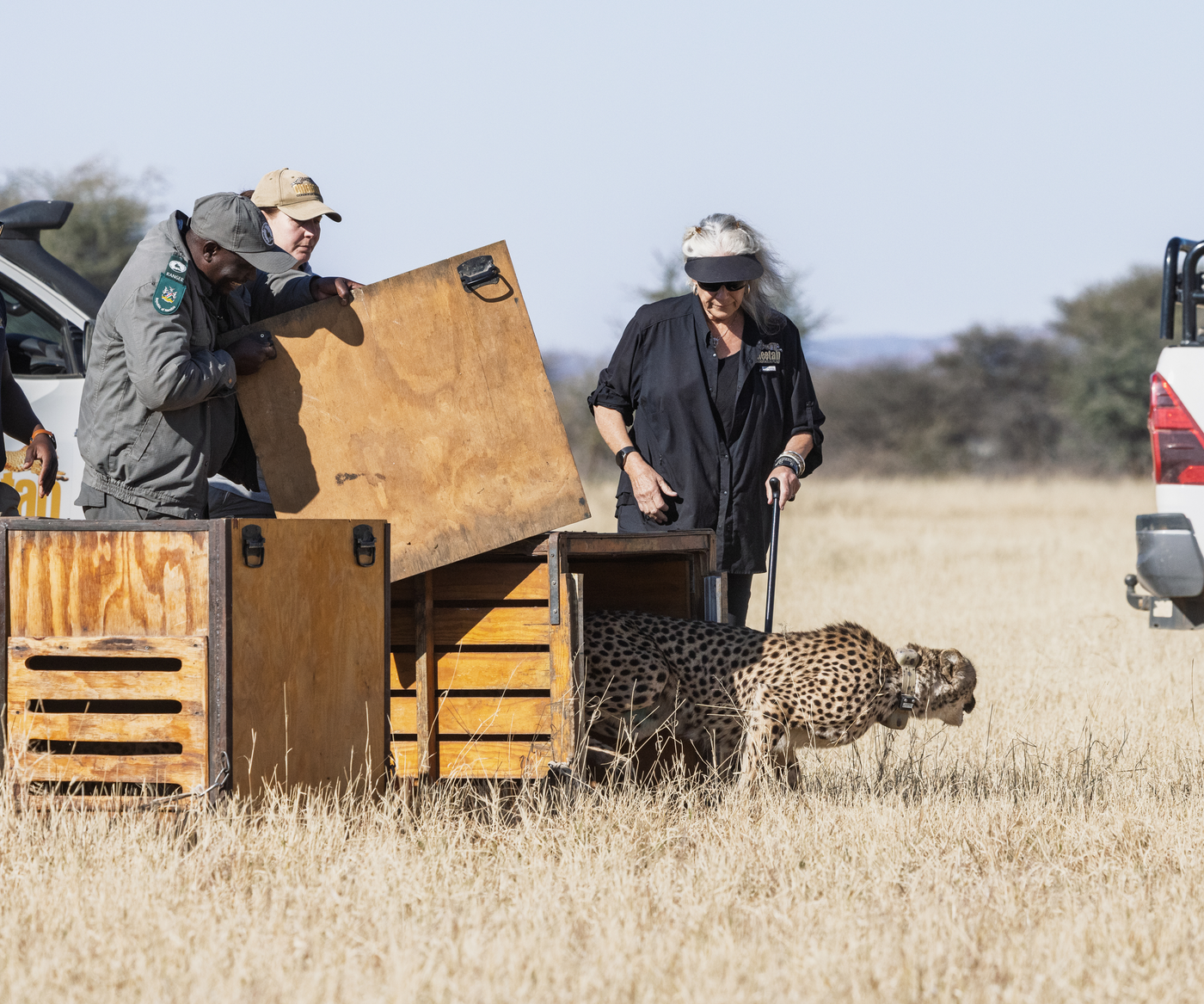

Cheetah Conservation Fund uses a holistic approach to wildlife conservation and communities sharing the landscape, working to save the cheetah and its habitat. Scientific research informs their environmental education and conservation strategies, focusing on cheetah ecology, human-wildlife conflict, predator-friendly livestock farming, and renewable energy.
Conservation status
Overall rating: 4.8 / 5 from 304 reviews.
I LOVE my Fahlo bracelets ♥️ I also have a whale shark plush! You got me for life I’ve also been giving them as gifts

I love those sprint bracelets and il keep supporting cheetah Conservation Fund and other. I Got all of sprint bracelet variants. I love Cheetahs🫶

I love cheetahs, so I'll probably get 2 more bracelets, and I gladly give it a 5-star rating because I'd much rather support a brand like this for the animals. Greetings from Slovakia🇸🇰

Beautiful bracelet! I am so grateful to be tracking a the fastest cat on Earth. My favourite big cat. Absolutely love the bracelet colour. I love being part of animal conservation like this. 🩷

It’s an amazing bracelet I love it so much

Love my Fahlos!

I love my braclet!! I also love seeing my cheetah, Chester, run around the map!!

It’s very pretty! I love wearing it but the reason I would take off a star is because the animal charm doesn’t seem to be the same quality as the other older bracelets. Also maybe I’m being over concerned but one of the round sky stone bead had a little chip in it and I’m concerned it might break. Over all great quality and very pretty

Is was great I love helping animals

I love watching how far my cheetah travels in one day. Very great purchase and worth every mail check! 5 STARS!!!!

I love it and I love supporting the animals

Brilliant

The colors in this really do look like the Cheetah's habitat. It's really cute...but again the animal doesn't sit exactly right. I its adorable

The colors are beautiful but the beads aren't the right size for this bead...it doesnt fit and it sits on the arm a little crooked. But, its beautiful. I had to add this after I wrote my review. One of the stones broke...I gave the other beads to my daughter...she loves the beads
Love fahlo
Love the bracelet! Got the same cheetah to track that I already had but love the bracelet
It is nice
Loveee so much 🐆
I love all my bracelets from Fahlo and I'm so happy to have a glowy one now!
My package arrived this morning and once again everything is awesome! Arrived quick and is absolutely perfect! I love my bracelets! They are beautiful and as always I love what these beautiful bracelets represent! Thank you so much Fahlo and your delivery company is awesome too! ❤️💖🤗😘👍👌⭐️⭐️⭐️⭐️⭐️👍👍👍👍👍🤩😍🥰
One of my favorite colors in the nighttime!!!
My granddaughter loved them and is collecting them.
Doesn’t glow as well as the other colors
Love everything about it and helping support our Cheetahs thanks
Love the bracelets, and hope i can help in some kind of way.
Really like this color!
love them delivered very fast
Bought as a gift for my sister, she’s very happy with it and loves the colourful glow in the dark beads. Tracking system is easy to use
unfortunately due to where the hole was put in the charm my cheetah will not stop turning itself upside down.
Great product, lovely bracelet, and tracking system, great customer service also as I was missing a qr code to scan, which wouldve allowed me to track a cheetah, thankfully customer service were able to sort that for me and after providing my account details, were able to add a cheetah to track in my app within that same day, glows, but not as vibrant as shows on the website, ill try to charge it under my bearded dragons uvb to see if itll intensify the glow though!
love the colour and design. so excited to follow their journey.
Looks great
Super pretty 😍
❤️❤️❤️❤️❤️
Not bad but il be honest it's solid 7/10
This fits with acacia
This acacia fits with cloudbrust.
Cool
Beautiful
Looks very beautiful. But for me, the animal behind the bracelet is more important than the bracelet itself.

6,000,000+
Users worldwide


When you track, we give back. Each purchase unlocks a real animal’s path on an interactive 3D map, with exciting reveals, epic journeys, and a global impact on vital conservation efforts. Download the Fahlo app and collect them all!

